Key takeaways
- Good resistance to warping: The steel core gives aluminized pans more rigidity than many lightweight aluminum sheets. A substantial rolled or reinforced rim helps further, especially when the pan moves from a hot oven to a cooler countertop.
- Balanced heating: The aluminum surface spreads heat more effectively than plain steel. That can help reduce isolated hot spots during roasting and baking, although your oven’s calibration and rack position still matter more than the pan alone.
- Durable construction: A quality aluminized steel pan can withstand frequent use, high oven temperatures, and heavier foods such as roasted vegetables, chicken thighs, or a full batch of cookies.
- Reasonable cost: Sets commonly fall in the $25-to-$40 range, or about $12.50 to $20 per pan. That is competitive with quality aluminum pans and usually less costly than premium stainless-steel bakeware.
- Useful for more than cookies: The 1-inch-tall rim on many half sheets contains juices without making the pan too deep for roasting, baking, toasting nuts, reheating pizza, or preparing sheet-pan dinners.
- Less reactive than bare aluminum: The aluminum layer is bonded to steel and is often coated, so the pan is less likely to react with acidic ingredients than an exposed aluminum surface. You should still follow the manufacturer’s care instructions.
- Available in commercial-style sizes: Half-sheet dimensions work with parchment, silicone mats, cooling racks, and many wire roasting racks sold for standard American ovens.
What's inside
The Short Answer
Yes—an aluminized steel baking sheet is a strong choice if you want better durability and less warping than thin aluminum without moving up to expensive stainless steel. The one condition is that you must choose a pan with a well-made coating or clean it gently, because the aluminum layer can be damaged by harsh scrubbing, abrasive cleaners, and some dishwasher cycles.
For most home bakers, aluminized steel offers a useful middle ground: it heats more evenly than ordinary dark steel, feels sturdier than budget aluminum, and generally costs less than premium stainless cookware. A two-pan set typically costs about $25 to $40. The trade-off is that it may brown food more aggressively than bare aluminum and can develop sticking or surface wear if it is mistreated.
As an Amazon Associate we earn from qualifying purchases at no extra cost to you. Product prices and availability are accurate as of the date shown and are subject to change.


What You Actually Get
Aluminized steel is a steel sheet covered with a thin layer of aluminum. The steel provides strength and rigidity; the aluminum improves corrosion resistance and helps distribute heat. It is not the same as a solid aluminum baking sheet, even though the two materials can look similar at first glance.
A typical half-sheet pan measures approximately 18 by 13 inches on the outside, with a usable baking area closer to 16 by 11 inches after accounting for the rim. Most home ovens can accommodate this size, but measure your oven rack before buying. A half sheet usually weighs between 2 and 3 pounds, depending on its thickness, rim, and coating.
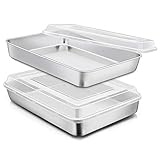
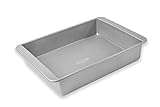
Some aluminized steel pans are bare metal, while others have a nonstick silicone-based coating. USA Pan’s two-piece half-sheet set, for example, is made from aluminized steel and uses a textured, nonstick coating. That design is intended to release baked goods more easily, but it also means the pan requires more careful cleaning than an uncoated commercial sheet.
It is also important to distinguish these pans from the Nordic Ware Naturals Half Sheet. That product is made from aluminum, with an encapsulated galvanized steel rim—not aluminized steel throughout. It is still a highly capable baking pan, but its heating behavior, weight, and care requirements are not identical to those of an aluminized steel model.
Pros
- Good resistance to warping: The steel core gives aluminized pans more rigidity than many lightweight aluminum sheets. A substantial rolled or reinforced rim helps further, especially when the pan moves from a hot oven to a cooler countertop.
- Balanced heating: The aluminum surface spreads heat more effectively than plain steel. That can help reduce isolated hot spots during roasting and baking, although your oven’s calibration and rack position still matter more than the pan alone.
- Durable construction: A quality aluminized steel pan can withstand frequent use, high oven temperatures, and heavier foods such as roasted vegetables, chicken thighs, or a full batch of cookies.
- Reasonable cost: Sets commonly fall in the $25-to-$40 range, or about $12.50 to $20 per pan. That is competitive with quality aluminum pans and usually less costly than premium stainless-steel bakeware.
- Useful for more than cookies: The 1-inch-tall rim on many half sheets contains juices without making the pan too deep for roasting, baking, toasting nuts, reheating pizza, or preparing sheet-pan dinners.
- Less reactive than bare aluminum: The aluminum layer is bonded to steel and is often coated, so the pan is less likely to react with acidic ingredients than an exposed aluminum surface. You should still follow the manufacturer’s care instructions.
- Available in commercial-style sizes: Half-sheet dimensions work with parchment, silicone mats, cooling racks, and many wire roasting racks sold for standard American ovens.
Cons
- It can still warp: “Warp-resistant” does not mean warp-proof. Rapid temperature changes, an overloaded pan, or a thin construction can cause the metal to twist. Do not pour cold liquid into a pan immediately after removing it from a hot oven.
- Coatings need gentle care: On coated models, metal spatulas, knives, steel wool, and abrasive powders can scratch the finish. A damaged coating may release food poorly and can make the pan harder to clean.
- Browned bottoms may happen: Aluminized steel generally produces more browning than very light bare aluminum. That is helpful for roasted potatoes and crisp cookies, but less desirable for pale cakes, delicate biscuits, or sugar cookies.
- Not always dishwasher-friendly: Some manufacturers allow dishwasher cleaning, but repeated detergent exposure can dull or discolor the surface and may shorten the life of a nonstick coating. Hand washing with warm water and a soft sponge is the safer default.
- The surface may discolor: Bare aluminized steel can darken, develop spots, or show baked-on oil over time. This is usually cosmetic, but it can make the pan look worn sooner than stainless steel.
- Dimensions vary slightly: A pan advertised as a half sheet may have handles, flared edges, or an unusually thick rim that affects fit. Check the external dimensions, not only the listed baking area.
- Not ideal for direct stovetop use: These are oven pans, not skillets. Using one over a burner can create uneven heating and damage a coating or distort the metal.
Who Should Buy It
Buy an aluminized steel baking sheet if you bake or roast at least once a week and want one dependable pan for several jobs. It is particularly suitable for people who make cookies, granola, roasted vegetables, sheet-pan meals, bacon, or weeknight chicken. The material is also a practical choice for families because a sturdy half sheet is less likely to flex when carrying a heavy meal.
It makes sense for buyers who want more durability than a very thin aluminum pan but do not need restaurant-grade stainless steel. A set of two is useful when one pan is in the dishwasher or when you are baking multiple trays at once. Expect to spend roughly $15 to $25 for a basic single pan and $25 to $40 for a two-pack from a reputable brand.
Who Should Skip It
Skip aluminized steel if you want an exceptionally light pan, insist on dishwasher cleaning after every use, or regularly bake very delicate items that should remain pale underneath. Bare aluminum may offer gentler browning, while a heavy stainless-steel sheet may better suit shoppers who prioritize a nonreactive, uncoated surface and are willing to pay more.
You should also skip coated versions if you prefer to use metal utensils or cut food directly on the pan. A bare pan can tolerate more abuse, but it will still require seasoning through use and careful cleaning to prevent stuck-on residue.
Cheaper Alternatives
| Option | Cost | Trade-off |
|---|---|---|
| Basic bare aluminum half sheet | $10–$18 each | Lighter and often cheaper, but more prone to denting, scratching, and visible discoloration. |
| Thin uncoated steel sheet | $8–$15 each | Inexpensive and sturdy, but it can rust and usually browns food more aggressively. |
| Small quarter-sheet aluminum pan | $8–$14 each | Fits smaller ovens and is easy to handle, but offers roughly half the capacity of a half sheet. |
| Glass baking dish | $12–$20 each | Useful for casseroles and acidic foods, but heavier and less suitable for crisp, evenly browned sheet-pan cooking. |
Among the commonly compared options, the USA Pan aluminized steel set is priced around $29.99 for two pans, while the Nordic Ware aluminum two-pack is about $33. The lower-cost choice is not automatically better: compare coating, thickness, rim construction, oven fit, and cleaning instructions rather than relying on the material name alone.
FAQ
Is aluminized steel better than aluminum for baking?
It depends on the recipe. Aluminized steel is usually sturdier and more resistant to warping, while bare aluminum is lighter and often promotes slightly gentler browning. For general-purpose roasting and baking, aluminized steel is the better durability compromise. For pale cookies, cakes, and delicate pastries, light-colored aluminum may be more forgiving.
Does aluminized steel rust?
It is more rust-resistant than plain steel because of its aluminum coating, but it is not completely rust-proof. Scratches, exposed edges, standing water, and harsh detergents can eventually create corrosion. Dry the pan promptly after washing, avoid abrasive tools, and replace it if the surface is flaking or deeply corroded.
Can you use parchment paper on aluminized steel?
Yes. Parchment is one of the easiest ways to reduce sticking and simplify cleanup. Make sure the paper lies flat and does not extend over the rim or touch an oven heating element. A silicone baking mat is another option, provided it is rated for the temperature in your recipe.
How do you clean an aluminized steel baking sheet?
Let the pan cool, then soak it in warm water with a small amount of dish soap. Use a soft sponge or nylon brush for residue. For stubborn grease, apply a baking-soda paste and allow it to sit before rinsing. Avoid steel wool, sharp scraping, and automatic dishwasher cycles unless the manufacturer specifically approves them.