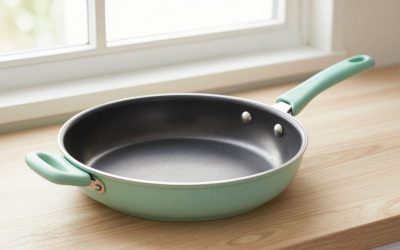
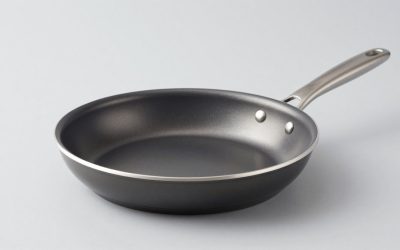
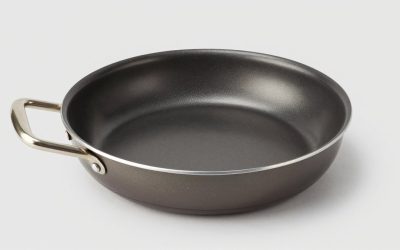
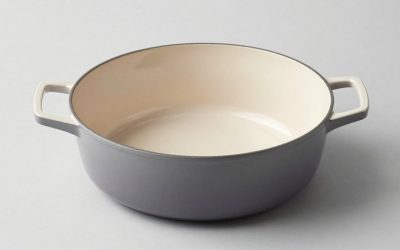
Dealing with a cramped kitchen cabinet can turn a simple weeknight dinner prep into an exasperating game of Jenga, making the search for efficient kitchen gear a top priority in 2026. Traditional pots and pans featuring fixed, protruding handles waste an enormous amount of vertical and horizontal storage space, leaving home cooks struggling to close cabinet doors or stack heavy lids. When you are working with limited square footage in urban apartments or minimalist kitchens, standard cookware profiles simply do not cut it anymore.
When upgrading your kitchen ecosystem, evaluating space-saving cookware requires looking past clever marketing campaigns to focus on structural integrity, heat retention, and daily usability. Not all stackable or compact systems are created equal, and choosing the wrong configuration can lead to scratched nonstick coatings, loose handles, or uneven heating. This decision guide breaks down the core specifications that actually matter, helping you find compact culinary tools that perform just as well as bulky traditional cookware.
As an Amazon Associate we earn from qualifying purchases at no extra cost to you.

Evaluating Nesting Mechanics and Rim Protections
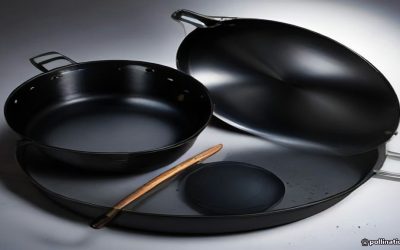
The primary appeal of space-saving cookware is its ability to nest inside one another like Russian nesting dolls, significantly reducing your storage footprint. However, the physical act of stacking metal on metal creates a high risk of scratching, chipping, and prematurely ruining expensive interior surfaces. When shopping for nesting sets, examine how the pieces interact with each other inside the stack. Look for designs that feature protective silicone rims, elevated nesting steps, or included felt pan protectors that prevent direct friction between stacked units. If a manufacturer relies purely on bare aluminum sliding against bare nonstick coating without a clearance buffer, the set will likely show severe cosmetic and functional wear within a few months of regular rotation.
Removable Versus Folding Handle Systems
Handles take up the vast majority of cabinet space, which is why manufacturers use either detachable mechanisms or folding designs to solve the problem. Removable handles offer the ultimate space-saving configuration, allowing pans to convert effortlessly into baking dishes, serving platters, or completely flat stackable discs. When assessing detachable handle systems, inspect the locking mechanism closely. It should feature a secondary safety lock to prevent accidental releases while carrying heavy liquids like boiling water or hot oil. Folding handles, on the other hand, offer convenience without requiring you to store a separate handle tool, but the mechanical hinge points can loosen over time or trap grease and food debris, making thorough cleaning more tedious.
Material Gauge and Weight Distribution
A common trap when buying compact cookware is assuming that lighter and thinner is better for storage. In reality, excessively thin aluminum or stamped steel will warp rapidly under high heat, losing its flat contact with your burner and creating hot spots. Prioritize space-saving cookware that maintains a respectable material gauge, such as hard-anodized aluminum or multi-clad stainless steel with an encapsulated aluminum or copper core. A sturdy base ensures that even though the profile is streamlined for your cabinet, the pan retains enough thermal mass to sear meats properly and distribute heat evenly across the entire cooking surface without buckling.
Smart Lid Storage and Interoperability
Even if your pots and pans stack neatly into a single compact tower, a chaotic pile of mismatched glass lids can completely undermine your organizational efforts. Standard domed lids with high, fixed knobs ruin the vertical stacking efficiency of nesting cookware sets. Look for systems that incorporate flat universal glass lids with low-profile, foldable, or removable knobs. Alternatively, some modern space-saving lines feature silicone-sealed flat lids that can double as trivets or resting mats, or interlocking lids designed to hang vertically on a cabinet door rack. Evaluating the lid ecosystem is just as critical as evaluating the vessels themselves.
Cooktop Compatibility and Base Construction
Space-saving engineering often alters the traditional geometry of cookware bases, which can impact how well they interface with modern stoves. If you cook on an induction cooktop, you must verify that the base of every nested piece contains a bonded ferromagnetic stainless steel plate that covers a sufficient surface area to trigger your cooktop sensors. Additionally, check that the outer perimeter of the base is smooth and finished properly so it does not scratch glass or ceramic stovetops when dragged or shifted during cooking. Versatility across gas, electric, and induction cooktops ensures your space-saving investment remains useful even if you move to a new home.
Identifying Practical Piece Counts Over Bloated Sets
Manufacturers love to market massive 15-piece or 20-piece space-saving bundles that look impressive on a shelf but contain specialty items you will rarely use, such as tiny butter warmers or redundant frying pan sizes. A larger set also defeats the purpose of saving space if you have to juggle pieces you never actually cook with. Focus instead on modular starter sets or curated configurations that match your actual cooking habits—typically a couple of versatile skillets, a medium saucier, and a stockpot. Quality over quantity ensures every item in your cabinet earns its designated footprint.
Related Guides
To explore more top-performing kitchen equipment tailored to your home setup, check out our comprehensive evaluations including the Best Space Saving Cookware in 2026: Compared and Ranked as well as the Best Ruffoni Hand Hammered Italian Copper Cookware in 2026: Compared and Ranked for traditional luxury alternatives.
FAQ
Are space-saving cookware sets durable enough for daily family cooking?
Yes, premium space-saving cookware crafted from hard-anodized aluminum or multi-clad stainless steel is engineered for heavy daily use. The main point of potential failure is the handle attachment mechanism, so selecting a reputable brand with a robust locking warranty is essential for long-term durability.
Can I put removable-handle cookware directly into the oven?
Most space-saving pots and pans with detachable handles can go straight into the oven once the handle is removed. However, you must always check the manufacturer specifications regarding maximum temperature thresholds for both the vessel body and any silicone rim seals or nonstick coatings.
How do I prevent nonstick nesting pans from scratching each other?
The best way to protect stackable nonstick pans is to use fabric pan protectors or felt separators between each layer when storing. If your set did not come with protectors, placing paper towels or microfiber cloths between the stacked units will prevent abrasive friction.
Do flat lids work as well as traditional domed lids?
Flat lids perform exceptionally well for everyday simmering, steaming, and braising tasks while saving immense vertical cabinet space. The only limitation is that exceptionally tall items, such as a whole roasting chicken inside a stockpot, may require a traditional domed lid for adequate vertical clearance.