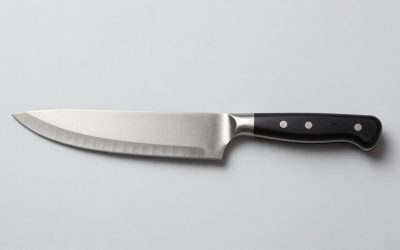
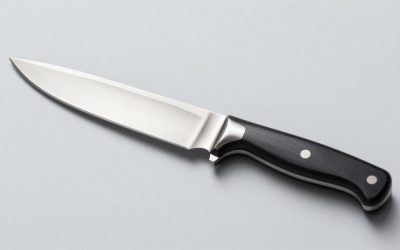
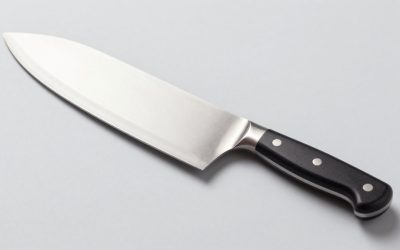
Choosing a chef knife can feel overwhelming given the sheer volume of options flooding the market. With countless brands hyping up proprietary steel blends and celebrity endorsements, it is easy to lose sight of what actually impacts your daily cooking experience. A great chef knife should feel like a natural extension of your hand, offering the balance, sharpness, and comfort required to slice, dice, and chop without hand fatigue.
Instead of getting bogged down by marketing jargon, seasoned home cooks and professional chefs know that a handful of core elements dictate performance. By focusing on how a knife is constructed, how it fits your hand, and how its weight is distributed, you can cut through the noise and invest in a tool that will last for decades. This guide breaks down the critical factors you need to consider before making your purchase.
As an Amazon Associate we earn from qualifying purchases at no extra cost to you.

Blade Construction: Forged vs. Stamped
The manufacturing method of a chef knife fundamentally alters its durability, flexibility, and price point. Forged blades are created by heating a single bar of solid steel and hammering it into shape using extreme pressure. This process densifies the metal, resulting in a heavier, more rigid knife that often features an integrated bolster for finger protection and balance. Stamped blades, on the other hand, are mechanically cut out from a large sheet of rolled steel and subsequently ground, heat-treated, and sharpened. While older generations associated stamped knives with flimsiness, modern manufacturing techniques mean high-end stamped knives are exceptionally lightweight, nimble, and hold an edge just as well as forged alternatives.
Steel Hardness and Edge Retention
The type of steel used in your chef knife determines how sharp it can get and how long it will maintain that edge. Steel hardness is typically measured on the Rockwell C scale. Western-style chef knives usually fall between 56 and 58 HRC, utilizing a softer, tougher stainless steel that is easy to hone and less prone to chipping when cutting hard items. Japanese-style blades often push past 60 HRC, utilizing harder steels like SG2 or VG-10. While these harder blades stay sharp significantly longer, they are more brittle and require careful handling to prevent chipping along the cutting edge.
Handle Ergonomics and Grip Styles
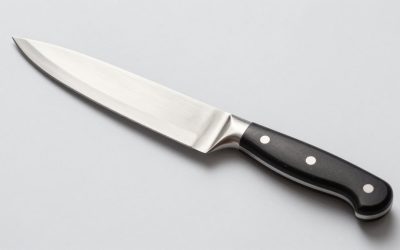
A knife can have the finest steel in the world, but if the handle causes discomfort, you will not want to use it for long prep sessions. Handle materials range from traditional packed wood and durable resin composites to stainless steel and textured rubber. Beyond the material, consider how the handle accommodates your grip. If you use a pinch grip—placing your thumb and index finger directly on the sides of the blade forward of the bolster—you need a spine that is rounded and smooth rather than sharp and digging into your skin. Look for handles with smooth transitions, seamless bolsters, and a shape that fills your palm comfortably.
Blade Length: Finding Your Sweet Spot
Chef knives typically range from 6 inches to 10 inches in length, with the 8-inch model serving as the industry standard for a reason. An 8-inch blade offers the ideal balance of cutting surface area and maneuverability, handling everything from large winter squashes to delicate shallots with ease. If you have smaller hands, work in a cramped kitchen, or feel intimidated by larger blades, a 6-inch chef knife provides superior control without sacrificing utility. Conversely, experienced cooks with large cutting boards often prefer a 9 or 10-inch blade to process large cuts of meat or massive piles of produce in fewer strokes.
Balance and Weight Distribution
Weight is entirely subjective, but balance is objective and crucial for safety and efficiency. A well-balanced chef knife should feel neutral when you pinch the blade right where it meets the handle. If the knife feels excessively heavy toward the handle, it can feel sluggish; if it is too blade-heavy, your wrist will tire quickly from compensating for the downward pull. Take time to test the heft of the knife in various grip positions to ensure the weight distribution aligns with your natural cutting motion.
Common Buying Mistakes to Avoid
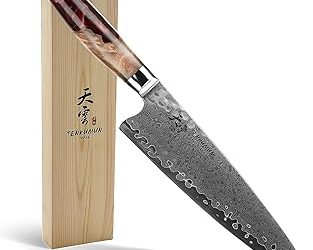
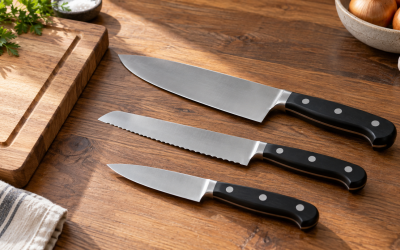
One of the most common mistakes buyers make is prioritizing aesthetics over functionality, such as purchasing a knife with a decorative Damascus pattern that features a weak core steel or a bulky, uncomfortable handle. Another pitfall is buying massive multi-piece block sets filled with specialty knives you will rarely use, rather than investing your budget into two or three exceptional, frequently used pieces. Finally, do not assume that a higher price tag automatically guarantees a better cutting experience for your specific hand size and cooking style.
When to Spend More and When to Save
You do not need to spend a fortune to get a reliable kitchen workhorse, but understanding price tiers helps prevent overspending. Entry-level budget knives under fifty dollars can offer fantastic geometry and steel performance, though their handles may feature rougher finishes or lesser durability over time. Spending in the mid-range tier typically rewards you with better edge retention, superior handle ergonomics, and higher aesthetic refinement. Premium luxury tiers usually buy you artisanal craftsmanship, exotic handle materials, and ultra-hard steels that require specialized sharpening skills.
Related Guides
If you are exploring other options to upgrade your culinary toolkit, take a look at our comprehensive reviews. You can find our top picks across various categories, including the Best Chef Knives in 2026: Compared and Ranked for all-around performers, explore alternative blade profiles with the Best Santoku Knives in 2026: Compared and Ranked, or discover specialized vegetable prep tools in the Best Nakiri Knives in 2026: Compared and Ranked.
FAQ
Should I store my chef knife on a magnetic strip or in a wooden block?
A wall-mounted magnetic strip is generally the best storage option because it keeps your blades secure, easily accessible, and completely safe from dulling against other utensils. Wooden knife blocks are also acceptable, provided you slide the blades in spine-first to avoid wearing down the cutting edge against the wood.
How often should I hone my chef knife versus sharpening it?
You should hone your chef knife every few uses with a ceramic or steel honing rod to realign microscopic bending along the edge. Sharpening removes actual metal to create a brand-new edge, which is typically only necessary once or twice a year depending on frequency of use.
Is a heavier knife always better quality?
Heavier knives are not inherently superior to lightweight models; blade weight is largely a matter of personal preference and cultural style. Japanese knives tend to be lighter and thinner for precise, delicate cuts, while traditional German knives are heavier and thicker to handle heavy-duty chopping.
Can I put my chef knife in the dishwasher?
You should always wash your chef knife by hand using warm water and mild dish soap immediately after use. Dishwashers expose high-carbon steel to harsh detergents, extreme heat, and banging against other dishes, which will quickly dull the edge, corrode the metal, and ruin wooden handles.