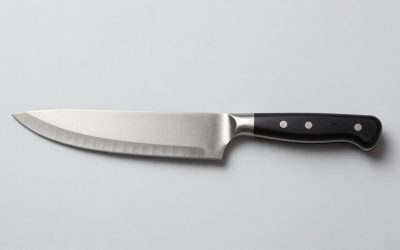
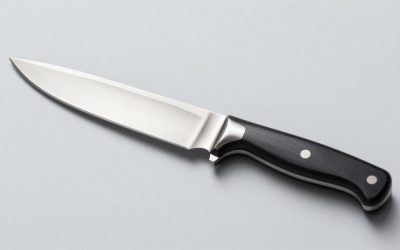
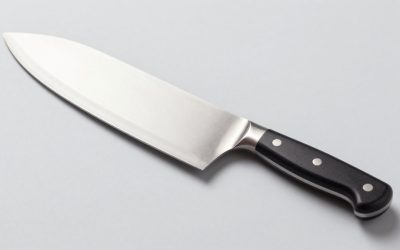
Navigating the modern kitchen cutlery market can feel overwhelming, especially with direct-to-consumer brands continuing to disrupt traditional retail models. When you are shopping for kitchen knives in 2026, cutting through the aggressive marketing hype is essential to finding tools that genuinely improve your daily prep work. Misen carved out a massive, loyal following by promising high-end performance at an accessible price point, bridging the gap between cheap department store cutlery and prohibitively expensive artisan blades.
However, choosing the right pieces for your specific kitchen depends heavily on your cooking style, hand size, maintenance habits, and grip preferences. Not every blade in a lineup serves an equal purpose for every home cook. By focusing on the structural and ergonomic factors that actually impact your cutting experience, you can build a collection that feels like a natural extension of your hand rather than a drawer full of unused steel.
As an Amazon Associate we earn from qualifying purchases at no extra cost to you.

Understanding Steel Composition and Hardness
The foundation of any good kitchen knife lies in the steel alloy used to forge the blade. Misen and similar modern brands typically rely on high-carbon stainless steels that strike a careful balance between corrosion resistance and edge retention. You want a steel that holds a sharp edge through multiple cooking sessions without being so brittle that it chips easily when hitting hard vegetable skins or minor bone fragments.
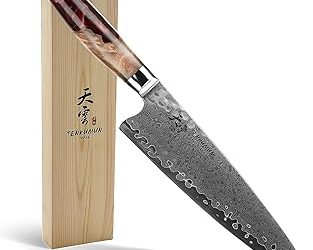
While ultra-hard steels found in traditional Japanese imports offer incredible sharpness, they often require delicate handling and specialized sharpening stones. A well-balanced mid-tier stainless steel offers enough toughness to withstand daily family cooking tasks while remaining forgiving enough for home cooks who are still mastering their knife skills. Always look at how the steel behaves in real-world conditions rather than just obsessing over theoretical hardness numbers.
Evaluating Blade Angles and Sharpening Ease
Blade geometry dictates how effortlessly a knife glides through dense ingredients like sweet potatoes, winter squash, and dense meats. Traditional Western chef knives typically feature a wider, more robust angle designed for rocking motions and heavy-duty tasks. In contrast, many modern hybrid brands utilize a steeper, more acute angle inspired by Japanese kitchen traditions.
A sharper, narrower angle reduces friction, allowing for cleaner, thinner slices that preserve food texture and flavor. However, steeper angles demand more frequent maintenance. Consider how comfortable you are with regular honing and occasional touch-ups on a whetstone. If you prefer low-maintenance tools, a slightly more robust edge angle will save you time at the sharpening station.
Handle Ergonomics and Grip Comfort
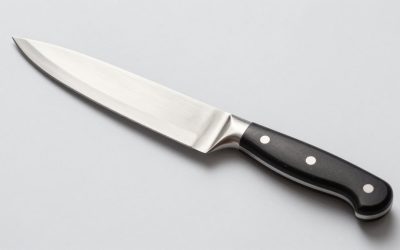
A sharp blade is useless if the handle causes hand fatigue or slips during rapid chopping tasks. When evaluating knife handles, pay close attention to the material, contour, and transition points near the bolster. Composite materials, engineered plastics, and textured synthetics provide a secure grip even when your hands are damp or oily from meal prep.
Your preferred holding technique also dictates handle compatibility. Cooks who utilize a professional pinch grip—pinching the blade just ahead of the bolster with the thumb and index finger—need a smooth spine and a comfortable transition area that won’t cause hot spots or blisters during extended dicing sessions. Test how the handle weight distributes against the blade to ensure the tool feels balanced and agile.
Building a Core Starter Set vs. Buying Individual Blades
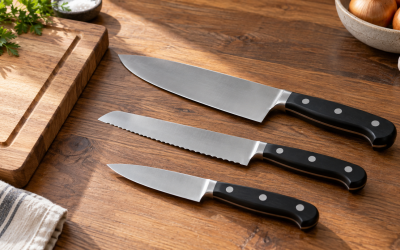
Pre-packaged knife blocks often include filler pieces you will rarely use, such as random steak knives or redundant utility blades. A smarter approach is building a targeted collection piece by piece based entirely on your actual cooking habits. For most home kitchens, a trifecta consisting of a versatile chef knife, a nimble paring knife, and either a santoku or utility knife covers ninety percent of daily culinary tasks.
Investing your budget into two or three high-quality, frequently used blades yields a far better return than spreading that same money across an eight-piece block set of mediocre quality. Once you identify your primary cooking techniques, you can expand your collection with specialized blades tailored to your favorite recipes.
Assessing Weight Distribution and Balance
Balance is entirely subjective, but it plays a massive role in how heavy a knife feels in your hand. A properly balanced knife should feel neutral, with the balance point resting right at the heel of the blade where it meets the handle. This neutral weighting prevents your wrist from tiring out during repetitive tasks like mincing herbs or dicing onions.
Some cooks prefer a blade-heavy feel for natural momentum when chopping heavy root vegetables, while others favor a handle-heavy design for ultimate maneuverability and precision control. Handling the knife in person or reviewing precise dimensional breakdowns helps you determine which weighting style complements your physical stature and cutting mechanics.
When to Spend More on Premium Alternatives
Misen and similar brands excel at delivering exceptional value for everyday home cooks, but there comes a point where upgrading to premium specialty cutlery makes sense. If you cook elaborate, multi-course meals daily, appreciate artisanal hand-forged aesthetics, or demand extreme edge retention from powder metallurgy steels, stepping up to higher-priced Japanese or European imports is justified.
However, if your routine involves standard weeknight dinners, meal prepping, and basic vegetable chopping, mid-range knives deliver more than enough performance. Save your money for high-quality cutting boards and proper sharpening gear, which protect your knife edges far more effectively than upgrading steel grades alone.
Related Guides
To explore specific product recommendations and detailed brand comparisons, check out our Best Misen Knives in 2026: Compared and Ranked roundup to see top performers. If you prefer agile Asian blade profiles for daily dicing, read through the Best Santoku Knives in 2026: Compared and Ranked analysis. For precision vegetable prep and clean push-cuts, our Best Nakiri Knives in 2026: Compared and Ranked guide offers deep insights into flat-edged cutting.
FAQ
Are Misen knives forged or stamped?
Misen knives are typically manufactured using precision stamping methods rather than traditional hot forging. Stamped blades allow for consistent thickness, excellent flexibility, and a lower final price point without sacrificing structural integrity.
What angle are Misen knives sharpened to?
These knives are generally sharpened to a steeper angle compared to traditional Western cutlery, leaning closer to Japanese standards. This acute angle delivers superior slicing performance and cleaner cuts through various food items.
Can I put Misen knives in the dishwasher?
You should always wash your kitchen knives by hand with warm water and mild soap. Dishwasher detergents are highly abrasive and heat cycles can warp handles and dull fine cutting edges rapidly.
How often should I hone a Misen knife?
It is best to use a steel rod to hone your knife every few uses to realign microscopic edge rolling. Regular honing maintains cutting efficiency and reduces how often you need to completely resharpen the blade.