Key takeaways
- Dry the pan immediately and completely; standing water is the number one cause of rust.
- Set it on a low burner for a minute to drive off any hidden moisture.
- Rub a very thin layer of neutral oil over the cooking surface with a paper towel, then wipe it back off so it looks nearly dry.
- Too much oil turns sticky and tacky, so err on the side of less.
What's inside
A well-seasoned cast iron skillet is one of the few pans that gets better with age, developing a naturally nonstick surface that no coated pan can match over decades. The catch is that cast iron rewards a little routine care and punishes neglect quickly; leave it wet and it rusts, scrub off the seasoning and food sticks. The good news is that maintaining it takes about two minutes after each use once you know the steps.
This guide covers the everyday cleaning routine, how to strip and re-season a neglected pan, and the small tools that make the job painless. None of it is complicated, and most of the myths you’ve heard, especially the one about never using soap, deserve to be retired.
As an Amazon Associate we earn from qualifying purchases at no extra cost to you.




⚡ Save on Your Next PC — Amazon Prime
Prime members get fast free shipping on the systems above, plus early access to Prime Day & Black Friday PC deals. New members get a 30-day free trial.
Watch: How to Clean and Maintain Your Cast Iron Skillet — Video Review
The Everyday Cleaning Routine
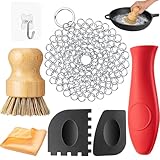
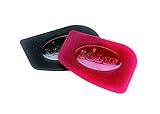
Clean the skillet while it’s still warm, not screaming hot. Rinse under warm water and use a chainmail scrubber like the TOPULORS 316L stainless scrubber to lift stuck-on food without gouging the seasoning. Stubborn spots come off with a plastic pan scraper, such as the Lodge scrapers, run along the surface. A small amount of dish soap is fine on a modern seasoned pan; it won’t destroy polymerized seasoning.
Drying and Oiling
- Dry the pan immediately and completely; standing water is the number one cause of rust.
- Set it on a low burner for a minute to drive off any hidden moisture.
- Rub a very thin layer of neutral oil over the cooking surface with a paper towel, then wipe it back off so it looks nearly dry.
- Too much oil turns sticky and tacky, so err on the side of less.
How to Re-Season a Neglected Pan
If the surface looks dull, patchy, or food starts sticking, re-season it. Scrub the pan clean, dry it, apply a thin coat of oil inside and out, then bake it upside down at 450-500°F for one hour with a sheet pan below to catch drips. A kit like the Culina Supreme Cast Iron Care Set bundles restoring scrub, cleaning soap, and conditioning oil for exactly this. Repeat the bake two or three times for a badly worn pan to rebuild a durable layer.
Dealing With Rust
Surface rust isn’t a death sentence. Scour it off with a chainmail scrubber or fine steel wool until you reach bare metal, wash, dry thoroughly, and re-season as above. A 316-grade chainmail scrubber with a silicone handle keeps your hands out of the grit while you work.
Tips
- Never put cast iron in the dishwasher or leave it to soak; both strip seasoning and invite rust.
- Store it dry with a paper towel inside if your kitchen is humid.
- Avoid cooking very acidic foods (tomato sauce, wine reductions) for long stretches in a lightly seasoned pan; acid eats seasoning.
- Use metal or wood utensils freely; cast iron is tough and light metal contact actually helps polish the surface.
Frequently Asked Questions
Can I really use soap on cast iron?
Yes. Modern seasoning is polymerized oil bonded to the metal, and a little dish soap won’t remove it. The old no-soap rule dates from when soaps contained lye. Just don’t soak the pan.
How often should I re-season?
Only when the surface looks dull or food starts sticking, which for a regularly used pan might be once or twice a year. Everyday oiling after washing usually keeps seasoning topped up.
What’s the best tool for stuck-on food?
A stainless chainmail scrubber for general cleaning and a plastic pan scraper for baked-on spots. Together they clean without damaging the seasoning the way an abrasive sponge would.
Why is my pan sticky after oiling?
You used too much oil. Wipe the surface until it looks almost dry before storing or baking; a thick coat turns gummy instead of curing into smooth seasoning.
Conclusion
Cast iron care comes down to three habits: clean while warm with a chainmail scrubber, dry the pan completely, and wipe on a whisper-thin coat of oil. Handle a rusty or dull pan with a quick re-season and it comes right back. Keep a scrubber, a scraper, and a small bottle of conditioning oil near the sink, and a single skillet can outlast every nonstick pan you’ll ever buy.