Investing in a commercial salamander broiler is a major milestone for any professional kitchen, diner, or high-volume catering operation. Known for their intense, direct overhead radiant heat, these heavy-duty units handle everything from melting cheese on French onion soup and caramelizing sugar on desserts to finishing delicate proteins and toasting artisan breads. Because they operate at extreme temperatures and sit right in the middle of a fast-paced plating line, choosing the right unit requires looking past flashy marketing and focusing on core engineering principles that directly affect daily kitchen workflow.
As commercial kitchen standards evolve in 2026, manufacturers continue to refine energy efficiency, heat recovery times, and chassis ergonomics. However, the fundamental physics of overhead broiling remain consistent: you need reliable, adjustable, and uniform heat that can withstand the rigors of continuous service. This guide breaks down the critical specifications, common pitfalls, and design choices that separate a mediocre purchase from a long-term kitchen asset.
As an Amazon Associate we earn from qualifying purchases at no extra cost to you.

Understanding Power Sources: Electric vs. Gas
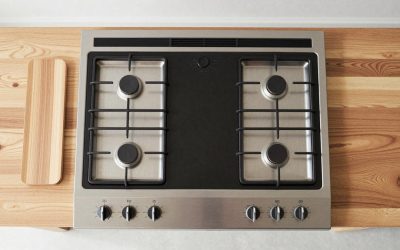
The first and most impactful decision you will make involves choosing between electric and gas salamander broilers. Gas models, typically powered by natural gas or liquid propane, utilize ceramic infrared burners that heat up almost instantly. They deliver an intense, penetrating heat that is exceptional for rapidly searing and browning, though they require proper commercial ventilation hoods to manage combustion gases and ambient heat output.
Electric salamander broilers rely on heavy-duty resistive heating elements. While they may take a few minutes longer to reach peak operating temperature, electric units often provide a more uniform, steady sheet of radiant heat across the entire cooking surface. They are typically easier to install if your facility lacks gas drop-downs, but you must ensure your kitchen’s electrical infrastructure can handle the high amperage draw required for commercial heating elements.
Sizing and Kitchen Footprint Constraints
Salamander broilers come in various widths, typically ranging from 24 inches up to 48 inches. Matching the unit size to your production volume and available space is critical. An oversized unit on a cramped line wastes valuable counter space and consumes excess energy, while an undersized unit creates a severe bottleneck during peak service hours.
Measure your available depth and height carefully as well. Overhead broilers radiate substantial thermal energy upward and outward. Ensure there is adequate clearance between the top of the broiler and your ventilation hood, and verify that surrounding equipment is heat-resistant enough to handle proximity to a high-temperature appliance.
Burner Technology and Heat Recovery
The quality of the burner dictates how efficiently your staff can work. Look for units featuring independent heating zones if you purchase a wider model. Multi-zone control allows you to turn off one side of the broiler during slow periods, saving energy and keeping the kitchen cooler.
Heat recovery time is another vital metric. When you slide a cold heavy cast-iron skillet or a tray of chilled gratin dishes into the broiler, the surface temperature drops. High-end commercial broilers feature high-output infrared or heavy-element designs that recover their target temperature in seconds, ensuring consistent browning results from the first order to the last.
Mounting Options and Kitchen Layout
How your salamander is mounted dictates line ergonomics. Countertop models offer flexibility and can be moved during deep cleaning, though they consume valuable prep space. Wall-mounted units free up the counter entirely, placing the broiler at an optimal eye-level for monitoring dishes, provided the wall structure can support the substantial weight of the appliance.
Range-back mounted units are engineered to sit directly on top of heavy-duty commercial ranges, utilizing existing vertical space. If you choose a range-mounted configuration, verify that the mounting brackets and heat shields are specifically rated for your exact range model to prevent structural warping and heat damage.
Rack Adjustments and Safety Mechanisms
Controlling the distance between the food and the heat source is the primary way chefs manage cooking intensity. Look for broilers with multi-level rack guides or spring-assisted, counterbalanced carriage systems. A smooth-gliding rack mechanism allows cooks to adjust the height effortlessly with one hand, even while holding a heavy sheet pan.
Safety stops are non-negotiable. Quality rack systems feature positive stops that prevent the tray from sliding completely out of the unit when pulled forward, protecting staff from severe burns and preventing costly spills on a busy line.
Material Durability and Cleaning Ease
Grease splatter, food debris, and heavy sauce splashes are daily realities for any salamander broiler. Interior and exterior construction should feature heavy-gauge stainless steel that resists corrosion and withstands aggressive commercial cleaning chemicals.
Check the design of the crumb tray and interior walls. A deep, removable bottom crumb tray makes daily cleanup significantly faster. Furthermore, look for seamless interior welding or smooth enamel coatings that prevent grease from pooling in hard-to-reach crevices where it can become a fire hazard.
Related Guides
To help you compare specific models, features, and pricing across top brands, explore our expert product roundup for detailed testing notes and performance rankings.
FAQ
Can a commercial salamander broiler replace a traditional oven?
No, salamander broilers are designed exclusively for high-heat finishing, browning, melting, and quick caramelization using intense overhead radiation. They lack the enclosed, convection-driven cavity required for even baking, roasting, or cooking raw items thoroughly through the center.
Do gas salamander broilers require special ventilation?
Yes, gas salamanders produce combustion byproducts and massive amounts of radiant heat that must be safely evacuated from the kitchen. They must be installed beneath a properly rated commercial ventilation hood in compliance with local fire and building codes.
How do I clean burnt-on grease from the interior walls?
Allow the broiler to cool down completely to a safe temperature, then apply a heavy-duty commercial oven and grill cleaner designed for stainless steel. Let the chemical break down the carbonized grease before scrubbing gently with a non-abrasive scouring pad and wiping clean with a damp cloth.
Why is my electric salamander taking too long to heat up?
A sluggish heating response usually points to a failing heating element, a loose electrical connection, or improper voltage supply to the unit. Have a certified commercial appliance technician inspect the internal wiring and measure the incoming line voltage to diagnose the component.