When shopping for kitchen cookware in 2026, aluminum remains one of the most reliable and widely used materials for frying pans due to its exceptional thermal conductivity. Unlike heavy cast iron or slow-heating stainless steel, aluminum heats up rapidly and distributes heat evenly across the entire cooking surface, eliminating hot spots that can ruin delicate sauces or sear meats unevenly. However, not all aluminum pans are built the same, and picking the right one requires looking past shiny marketing terms to understand manufacturing processes, metal thicknesses, and surface treatments.
Whether you are replacing a warped skillet that no longer sits flat on your burner or building out an entirely new cookware set, knowing what specifications actually matter will save you money and frustration. This guide breaks down everything you need to know about aluminum frying pans, from gauge thickness and hard-anodization processes to handle ergonomics and stovetop compatibility, ensuring you make an informed investment for your kitchen.
As an Amazon Associate we earn from qualifying purchases at no extra cost to you.

Understanding Construction: Stamped, Forged, and Hard-Anodized
The manufacturing method determines how long your aluminum frying pan will last and how well it performs under high heat. Stamped aluminum pans are punched out of a flat sheet of metal. These are typically lightweight and budget-friendly, but they are also prone to warping if exposed to rapid temperature changes. If you choose a stamped pan, expect to replace it more frequently, making it best suited for occasional cooking or light tasks like scrambling eggs.
Forged aluminum pans are made by pressing thick aluminum disks under high pressure into shape. This creates a denser metal structure with a thicker base and tapered walls, offering superior durability and heat retention compared to stamped options. Hard-anodized aluminum takes standard metal through an electrochemical bath that hardens the exterior, making it twice as hard as stainless steel. This process seals the reactive metal, preventing it from leaching into acidic foods while creating a scratch-resistant surface that resists corrosion and wear over time.
Why Metal Thickness and Gauge Matter Most
One of the most common pitfalls when buying an aluminum pan is ignoring the thickness of the metal. Thickness is often measured by gauge, where a lower number indicates a thicker, heavier pan. Thin pans heat up instantly, but they also lose heat just as fast when you add cold ingredients like a steak or a batch of vegetables, causing the temperature to drop and leading to uneven cooking or steaming instead of searing.
A quality aluminum frying pan should have a substantial base thickness, typically ranging from three to five millimeters, to store and distribute thermal energy effectively. Look for pans that feel balanced and heavy for their size without being overly cumbersome to lift with one hand. Extra metal at the base prevents the center of the pan from bowing upward over time, ensuring oil stays pooled evenly across the cooking surface rather than running off to the edges.
Choosing the Right Surface Coating
Bare aluminum is reactive to acidic ingredients like tomatoes, wine, and citrus, which can discolor the metal and impart a metallic taste to your food. To counteract this, manufacturers apply various coatings. Traditional PTFE nonstick coatings offer effortless food release and require minimal oil, making them ideal for delicate items like fish and eggs. However, traditional nonstick surfaces have a finite lifespan and can degrade if overheated or scratched with metal utensils.
Ceramic coatings provide a modern alternative that is free of traditional chemical polymers, offering a slick surface with a slightly more natural appeal. They handle moderate heat well, though their nonstick properties tend to degrade faster than PTFE if exposed to high heat or abrasive dishwashing soaps. Hard-anodized bare aluminum, on the other hand, requires seasoning over time to build a natural nonstick patina, but it offers unmatched longevity since there is no coating to chip, peel, or flake off.
Sizing and Weight Considerations for Everyday Cooking
Selecting the correct pan size depends entirely on your household size and the types of meals you prepare most frequently. An eight-inch skillet is ideal for single-serving meals, frying a couple of eggs, or toasting nuts, but it lacks the surface area for family-style cooking. A ten-inch frying pan serves as the ultimate all-rounder, offering enough room to sauté vegetables or cook a couple of chicken breasts without crowding the pan.
For larger families, batch cooking, or preparing multi-component meals, a twelve-inch skillet is indispensable. However, keep in mind that larger aluminum pans get heavy quickly, especially when loaded with food. Pay close attention to handle design—look for securely riveted or welded handles with ergonomic contours and silicone grips that provide a secure, comfortable hold when maneuvering a heavy, fully loaded skillet from the stove to the counter.
Stovetop Compatibility and Induction Requirements
Because aluminum is a non-ferrous metal, standard aluminum frying pans will not work on induction cooktops, which rely on magnetic fields to generate heat. If you cook with induction, you must look for aluminum pans that feature a bonded stainless steel base plate embedded into the bottom of the skillet. This hybrid construction allows you to enjoy the lightweight, rapid heat distribution of aluminum while maintaining full compatibility with modern magnetic cooktops.
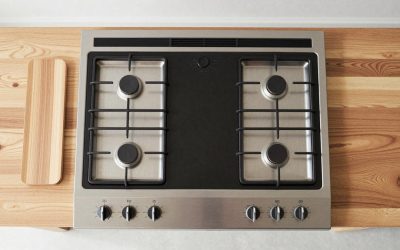
For gas and traditional electric coil or smooth glass stovetops, standard aluminum pans work exceptionally well. On gas ranges, ensure the flames do not lick up the sides of the pan excessively, as high direct flames can discolor the exterior finish and degrade silicone handle components over time. On glass cooktops, verify that the bottom of the pan is completely flat and smooth to maximize surface contact and prevent scratching the glass surface.
Common Mistakes to Avoid When Buying
Shoppers frequently make the mistake of prioritizing a low price tag over structural integrity, resulting in a flimsy pan that warps within months of use. Another common error is buying a nonstick aluminum pan without checking whether it is oven-safe; many pans feature plastic or rubberized components on the handles that will melt if transferred from the stovetop into a hot oven for finishing dishes.
Finally, avoid purchasing oversized pans that exceed the diameter of your heating elements. An undersized burner paired with an oversized aluminum pan will create uneven heating zones, causing the center to get excessively hot while the outer edges remain cool, leading to warped metal and frustration at dinner time.
Related Guides
For more insights, check out our comprehensive best aluminum frying pan guide. If you are also looking to expand your bakeware collection, take a look at our expert recommendations for the best French bread pan to round out your kitchen toolkit.
FAQ
Can you put an aluminum frying pan in the dishwasher?
Most manufacturers advise against putting aluminum pans in the dishwasher, especially nonstick or hard-anodized models. Harsh dishwashing detergents and high water temperatures can pit the metal, strip nonstick coatings, and dull the exterior finish over time.
Why did my aluminum frying pan warp?
Warping typically happens when a thin aluminum pan is subjected to thermal shock, such as running cold water over a hot pan straight off the burner. Choosing a thicker gauge pan and allowing it to cool down gradually helps prevent this issue.
Is aluminum safe for cooking acidic foods?
Bare aluminum can react with acidic ingredients like tomatoes or citrus, leading to metallic tastes and discoloration. Hard-anodized aluminum or pans with a protective nonstick or ceramic coating are entirely safe and non-reactive for cooking acidic recipes.
How long should a good aluminum frying pan last?
A high-quality, thick-gauge forged or hard-anodized aluminum pan can easily last anywhere from five to ten years with proper care and hand washing. Budget-stamped nonstick variants typically require replacement every two to three years as the coating wears down.