Buying a roasting pan seems straightforward until you are staring down a holiday turkey, a crowded oven, and a pan that either warps under high heat or fails to develop a decent fond. Whether you are upgrading your kitchen toolkit in 2026 or buying your very first heavy-duty vessel for weekend pot roasts, cutting through the marketing noise is essential. Manufacturers love to tout proprietary non-stick coatings and ergonomic handles, but performance ultimately comes down to thermal conductivity, structural integrity, and how well the pan fits your specific cooking habits.
Choosing the right roasting pan means evaluating what you actually cook, how often you use the stovetop for gravy-making, and what your oven dimensions can realistically handle. A poorly chosen pan can lead to unevenly cooked poultry, burnt drippings, or a dangerous struggle when pulling heavy food from a hot oven. This guide breaks down the core specifications, design choices, and structural details that genuinely matter so you can make an informed, long-lasting investment.
As an Amazon Associate we earn from qualifying purchases at no extra cost to you.

Understanding Metal Construction: Aluminum, Stainless, and Cast Iron
The core material of your roasting pan dictates how heat moves through the vessel and how long the pan will last. Heavy-gauge aluminum provides exceptional thermal conductivity, heating quickly and evenly to prevent hot spots. However, bare aluminum reacts poorly to acidic marinades and requires careful handling. Stainless steel offers incredible durability and a non-reactive surface, though it often requires an aluminum or copper core to distribute heat effectively, as stainless steel on its own is a poor thermal conductor.
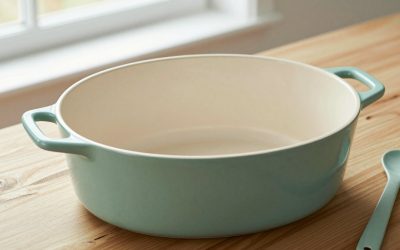
Enameled cast iron represents the heavy-weight champion of heat retention, keeping roasts warm and radiating steady heat, but it is exceptionally heavy and cumbersome to clean. Multi-clad stainless steel strikes a brilliant balance, offering the easy maintenance of steel with the superior heating capabilities of aluminum cores. Avoid ultra-thin stamped metal pans entirely; they flex under weight, warp at high roasting temperatures, and cause pan drippings to scorch unevenly.
Sizing and Oven Compatibility: Dimensions Matter
One of the most common mistakes home cooks make is buying a roasting pan that is technically large enough for a massive turkey, only to discover it jams against the oven walls. Restricted airflow inside the oven prevents heat from circulating properly, resulting in unevenly browned meat and steamed skin rather than a crisp finish. Always measure your oven interior—including the clearance with the racks in place—before shopping for a pan.
Standard medium pans generally handle chickens and smaller cuts, while large models accommodate holiday roasts. Keep in mind that oversized handles can add several inches to the total footprint, rendering an otherwise well-sized pan too wide for standard oven cavities. Consider your storage space, too; a massive commercial-grade roaster that spends twelve months a year gathering dust in a cabinet may not be worth the spatial compromise.
The Critical Role of the Roasting Rack
A good roasting pan is rarely used without a rack, and the design of that rack fundamentally alters your cooking results. Flat wire racks elevate the meat just enough to prevent it from boiling in its own juices, promoting all-around air circulation. V-shaped racks cradle poultry securely, keeping the breasts elevated and centered while collecting clear drippings below for pan sauces and gravies.
Look for racks constructed from thick-gauge stainless steel or heavy wire with a robust finish. Flimsy wire racks bend under heavy loads, causing roasts to sag and slide, and they are notoriously difficult to scrub clean once sticky drippings bake onto them. The best racks feature secure feet or handles that allow you to lift the entire roast out of the pan safely without tipping or buckling.
Handle Strength and Stovetop Stability
Roasters do not live in the oven alone; once the meat is resting, you often need to transfer the pan directly to the stovetop to make pan sauce or gravy. This requires riveted or securely welded heavy-duty handles that provide a confident, secure grip, even when you are wearing thick oven mitts. Avoid screw-on handles or flimsy loops that can loosen over time or bend under the immense weight of a heavy cut of meat.
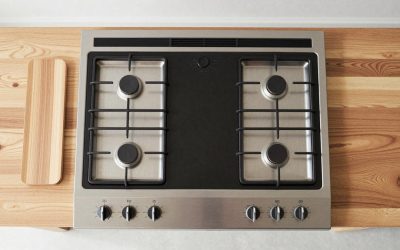
Furthermore, ensure the base of the pan is completely flat and rigid enough to maintain contact with multiple burner elements. If you use an induction cooktop, verify that the pan’s base contains a magnetic grade of stainless steel. A warped base on a stovetop results in scorching on one side and raw unreduced drippings on the other, ruining the foundation of your gravy.
Wall Height and Splatter Control
The height of the pan’s walls plays a dual role in roasting dynamics. Walls that are too shallow fail to catch flying grease, coating your oven interior in smoke and burnt residue. Conversely, walls that are excessively high block radiant heat from reaching the sides of the meat, preventing proper browning and turning your roast into a braise.
An ideal wall height sits between three and four inches. This provides ample capacity for accumulating juices and vegetables without trapping too much moisture around the exterior of the protein. Flared rims also make pouring pan juices out into a separator or measuring cup significantly cleaner, reducing messy spills on your counters.
Cleaning and Maintenance Realities
No matter how well a pan performs in the oven, its long-term value plummets if it takes an hour of aggressive scraping to clean. Baked-on proteins and caramelized sugars test the limits of any kitchen tool. Stainless steel and heavy-gauge aluminum tolerate aggressive cleaning tools like scouring pads much better than delicate non-stick surfaces, which can scratch and degrade over time.
If you prefer low-maintenance cleanup, look for dishwasher-safe models, though hand washing generally preserves the exterior finish much longer. Avoid complex crevices or spot-welded joints where grease can accumulate invisibly and become rancid. A smooth, well-polished surface makes post-feast cleanup remarkably straightforward.
Related Guides
To round out your culinary setup, explore our other expert evaluations. You can find top-rated choices in our guide to top-rated roasting pans, discover versatile surfaces in our review of best non-stick induction pans, and upgrade your daily cooking gear with recommendations for stainless steel frying pans.
FAQ
Do I really need a V-rack, or is a flat rack enough?
A flat rack works well for flat cuts like briskets, ribs, and large vegetables. However, a V-rack is essential for poultry because it cradles the bird, elevates the breasts, and promotes even heat circulation.
Can I use my roasting pan on an induction stovetop?
Yes, provided the pan features a magnetic stainless steel base. Always check the manufacturer specifications to ensure induction compatibility before attempting to make gravy on the cooktop.
Why is my roasting pan warping in the oven?
Warping typically occurs in thin-gauge metal pans when exposed to high thermal shock or intense oven temperatures. Investing in a heavy-gauge, multi-clad pan prevents this structural failure entirely.
How do I prevent pan drippings from burning and smoking?
Adding a splash of broth, wine, or water to the bottom of the pan during the early stages of roasting keeps the drippings from scorching. You can replenish the liquid as needed to maintain a rich base for pan sauces.