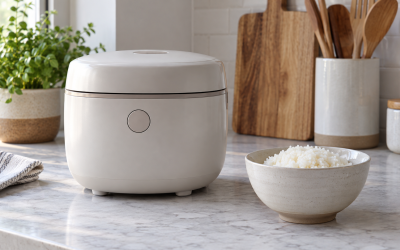
When shopping for a reliable kitchen appliance, few upgrades make as immediate a difference in your daily routine as switching to a dedicated automatic cooker. If you have ever struggled with scorched bottoms, unevenly cooked grains, or soggy batches, upgrading to a model equipped with advanced micro-computer technology is the ultimate solution. Navigating the market can feel overwhelming, especially with modern advancements constantly reshaping what these countertop appliances can do for home cooks.
As a kitchen gear reviewer who has tested dozens of models, I know that cutting through marketing jargon is essential. This buying guide is designed to help you bypass flashy features that unnecessarily drive up the price and focus on the core specifications that actually dictate cooking performance, long-term durability, and daily ease of use in 2026.
As an Amazon Associate we earn from qualifying purchases at no extra cost to you.

Understanding Fuzzy Logic: The Microchip Advantage
At the heart of a premium rice cooker is a specialized microchip that utilizes fuzzy logic—an algorithmic approach that mimics human decision-making. Unlike traditional thermostats that simply turn a heating element on or off at a fixed threshold, a fuzzy logic cooker continuously monitors and adjusts internal temperature and cooking time in real-time. If you lift the lid, add slightly too much water, or use a grain variety that requires a unique absorption curve, the internal computer dynamically adapts the cooking cycle to ensure perfection. When evaluating options, prioritize models that emphasize this adaptive computing power over sheer wattage numbers.
Capacity and Sizing: Matching the Cooker to Your Household
One of the most common mistakes buyers make is purchasing an appliance that is either too large or too small for their needs. Rice cookers are measured by the number of raw cups of dry grain they can process before expansion. A compact three-cup model is ideal for single-person households, couples, or kitchens with severely limited counter space. A standard five-and-a-half-cup model serves families of four to six comfortably and handles mixed dishes like pilafs or congee with ease. If you frequently host large dinner parties, a ten-cup unit may be necessary, but keep in mind that cooking very small batches in an oversized drum can occasionally reduce performance efficiency.
Inner Pot Material and Thermal Conductivity
The inner cooking pan is arguably the most critical physical component of the entire system. Look for heavy-duty inner pans constructed from thick multi-layered metals, typically combining aluminum for rapid thermal conductivity with stainless steel or copper elements. A thick inner wall ensures that heat is retained and distributed evenly across every single grain rather than creating hot spots at the base. Furthermore, examine the interior non-stick coating. High-end models feature durable, scratch-resistant coatings that prevent starch buildup, making cleanup effortless and preventing scorched grains from adhering to the bottom of the pan.
Heating Technologies: Standard Micro-Computer vs. Induction Heating
While all fuzzy logic cookers use a microchip, the method of heat application varies significantly. Standard models rely on a conventional heating plate located beneath the inner pan. This is reliable, cost-effective, and more than adequate for everyday white rice. However, premium induction heating (IH) models transform the entire inner pan into a heat source by utilizing magnetic fields. This creates a 360-degree heating environment that cooks grains faster and with even greater precision. If you primarily cook standard grains, a standard heating plate is sufficient; if you demand professional-grade texture variations across a massive variety of grains, induction heating is worth the investment.
Essential Settings Beyond Basic White Rice
Modern cookers do much more than just steam standard white rice. When reading specifications, look for dedicated menu settings that match your culinary habits. Essential presets include brown rice, GABA rice (which activates germinated nutrients), sushi rice, porridge, and a rapid-cook mode for busy weeknights. The presence of these specialized cycles indicates that the microchip is programmed with specific thermal curves tailored to the unique moisture-absorption rates of each grain type, rather than forcing a one-size-fits-all approach.
Build Quality, Steam Vents, and Maintenance
Ease of cleaning and overall mechanical construction are major factors in how long your appliance will last. Inspect the inner lid; models with detachable stainless steel inner lids are vastly superior because they allow you to thoroughly wash away sticky starch residue after every use. Additionally, examine the steam vent cap on the top lid. A well-designed vapor vent prevents messy overflow and bubbling over during high-heat rolling boils, protecting your kitchen counters and keeping maintenance to a minimum.
When to Spend More on Premium Features
It is easy to spend a significant amount of money on luxury kitchen gadgets, but you should evaluate whether high-end features align with your lifestyle. You should spend more if you frequently cook specialty grains, value exceptional build materials that last a decade, or desire advanced features like extended keep-warm functions that maintain ideal moisture for over twenty-four hours. Conversely, if you only cook basic white rice a couple of times a week, a mid-range model with standard fuzzy logic will give you identical grain texture without the inflated price tag.
Related Guides
To see how specific models stack up against one another in detailed research, be sure to read our detailed roundup of the Best Rice Cookers with Fuzzy Logic Technology in 2026: Compared and Ranked to find the right match for your kitchen.
FAQ
What is fuzzy logic technology in a rice cooker?
Fuzzy logic is an advanced microchip programming system that allows the appliance to dynamically adjust temperature and cooking time in real-time. It compensates for variations in water levels, ambient room temperature, and grain type to ensure consistent, perfect results.
Can I cook other grains besides rice in a fuzzy logic cooker?
Yes, most models feature specialized settings for quinoa, steel-cut oats, brown rice, barley, and even slow-cooked soups or steamed vegetables. The adaptive heating curves make these appliances remarkably versatile countertop multicookers.
How do I choose the right cup capacity?
Consider your typical serving size using dry grain measurements. A 3-cup capacity is ideal for 1-2 people, a 5.5-cup capacity suits standard families of 3-5, and a 10-cup unit is best for large households or frequent entertaining.
Are induction heating fuzzy logic cookers worth the extra cost?
Induction heating models use magnetic fields to heat the entire inner pan simultaneously, resulting in faster and more uniform cooking. They are worth the investment if you are a daily grain enthusiast looking for ultimate culinary precision.