Key takeaways
- Capacity vs. resolution: Most baking needs 11lb capacity with 1g increments. Higher-capacity scales (22lb+) are more versatile for big dough batches but often round to coarser steps, so check both numbers together rather than chasing capacity alone.
- Tare function quality: A good tare zeroes instantly and holds through multiple additions, letting you build a recipe in one bowl. Weak tare implementations drift or reset mid-measure, which is the most common real-world frustration.
- Platform size and shape: Your mixing bowl should sit flat without covering the display. Look for a platform at least 5 inches wide, and prefer front-mounted or offset displays if you use large bowls.
- Auto-off timing: Aggressive auto-shutoff is a genuine problem during slow tasks like kneading pauses or coffee pours. Scales with longer or adjustable timeouts are worth prioritizing.
- Cleanability and power: Stainless steel or sealed glass wipes down easily after flour and butter. Decide between coin cells, AAA batteries, USB charging, or an AC adapter based on how often you’ll use it.
The Greater Goods 22lb Digital Food Scale is the best overall kitchen scale for baking by weight, with the Etekcity 11lb Food Kitchen Scale as the runner-up for cooks who want the same 1-gram accuracy in a smaller, cheaper package.
Volume measurements are the single biggest source of inconsistency in home baking. A cup of flour can vary by 20–30 grams depending on whether you scoop, spoon, or sift it, which is enough to turn a tender crumb into a dense one. Weighing ingredients removes that variable entirely, but scale specs are confusing: capacity, resolution, tare behavior, and platform size all matter in different ways depending on whether you’re building a sourdough loaf, pulling espresso shots, or portioning meat. This guide covers the scales worth buying, what each one is actually good at, and how to match capacity and precision to the baking you do.
Our top picks
 Etekcity Food Kitchen Scale
- 𝗘𝗳𝗳𝗼𝗿𝘁𝗹𝗲𝘀𝘀 𝗪𝗲𝗶𝗴𝗵𝗶𝗻𝗴: Supports 5 units (oz/lb:oz/fl'oz/g/mL), tare function,…
- 𝗣𝗿𝗲𝗰𝗶𝘀𝗲 𝗥𝗲𝘀𝘂𝗹𝘁𝘀: Accurately weighs up to 11 lb/5…
- 𝗦𝗶𝗺𝗽𝗹𝗲 & 𝗖𝗼𝗺𝗽𝗮𝗰𝘁: The small and sleek scale…
 Mik-Nana Food Scale
- 【Precise Weight】 10kg/22lb capacity, 1g/0.1oz resolution, Great for…
- 【Multifunction Scale】This digital kitchen scale has 6 measurement…
- 【Easy Tare】Remove the weight of any container to…
 Greater Goods Digital Food Scale for Kitchen
- 𝗕𝘂𝗶𝗹𝘁 𝗳𝗼𝗿 𝗕𝘂𝗹𝗸 𝗖𝗼𝗼𝗸𝗶𝗻𝗴 & 𝗣𝗿𝗲𝗽: This high-capacity…
- 𝗔𝗰𝗰𝘂𝗿𝗮𝘁𝗲 𝘁𝗼 𝘁𝗵𝗲 𝗚𝗿𝗮𝗺: Weigh ingredients in grams,…
- 𝗖𝗹𝗲𝗮𝗿 𝗥𝗲𝗮𝗱𝗶𝗻𝗴𝘀, 𝗘𝘃𝗲𝗿𝘆 𝗧𝗶𝗺𝗲: The bright Hi-Def LCD…
| Product | Key specs | |
|---|---|---|
| Etekcity Food Kitchen Scale | 𝗘𝗳𝗳𝗼𝗿𝘁𝗹𝗲𝘀𝘀 𝗪𝗲𝗶𝗴𝗵𝗶𝗻𝗴: Supports 5 units (oz/lb:oz/fl'oz/g/mL), tare function,… 𝗣𝗿𝗲𝗰𝗶𝘀𝗲 𝗥𝗲𝘀𝘂𝗹𝘁𝘀: Accurately weighs up to 11 lb/5… 𝗦𝗶𝗺𝗽𝗹𝗲 & 𝗖𝗼𝗺𝗽𝗮𝗰𝘁: The small and sleek scale… | Check price |
| Mik-Nana Food Scale | 【Precise Weight】 10kg/22lb capacity, 1g/0.1oz resolution, Great for… 【Multifunction Scale】This digital kitchen scale has 6 measurement… 【Easy Tare】Remove the weight of any container to… | Check price |
| Greater Goods Digital Food Scale for Kitchen | 𝗕𝘂𝗶𝗹𝘁 𝗳𝗼𝗿 𝗕𝘂𝗹𝗸 𝗖𝗼𝗼𝗸𝗶𝗻𝗴 & 𝗣𝗿𝗲𝗽: This high-capacity… 𝗔𝗰𝗰𝘂𝗿𝗮𝘁𝗲 𝘁𝗼 𝘁𝗵𝗲 𝗚𝗿𝗮𝗺: Weigh ingredients in grams,… 𝗖𝗹𝗲𝗮𝗿 𝗥𝗲𝗮𝗱𝗶𝗻𝗴𝘀, 𝗘𝘃𝗲𝗿𝘆 𝗧𝗶𝗺𝗲: The bright Hi-Def LCD… | Check price |
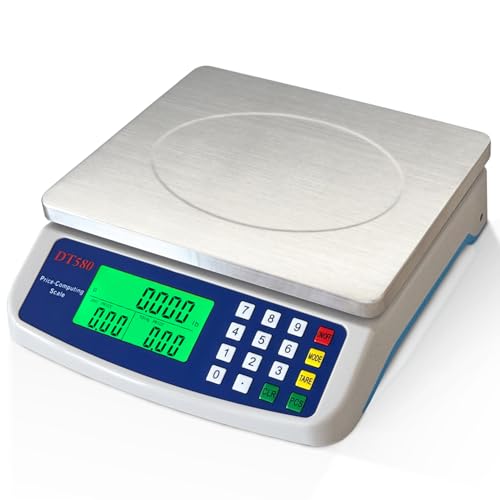 Large Digital Kitchen Scale 40kg/88lb Stainless Steel Large Digital Kitchen Scale 40kg/88lb Stainless Steel | High Capacity and Accurate: Up to 40kg/88lb Wide… 5 Units: Our versatile industrial counting scale with… Large Upgrade Full View LCD Display: This scale… | Check price |
 33lb Food Scale 33lb Food Scale | 【Accurate to 1g/0.1oz】This digital food scale provides you… 【5 Units Conversion】The Smart Unit Button of the… 【Rechargeable&Auto off】This food scale rechargeable has two power… | Check price |
 Food Scale Food Scale | [ Accurate Weight ] 5kg/11lb capacity, 0.1g/0.001oz high-resolution,… [ Clear Display Screen, Keep Function ] Weighing… [ Rechargeable or Plug in Use or Two… | Check price |
 Digital Food Scale for Kitchen & Baking Digital Food Scale for Kitchen & Baking | High-Precision 0.1g Kitchen Scale: Equipped with a ultra-sensitive… Multi-unit Conversion: Easily switch between 7 units: g,… Compact Design & Easy to Clean: Measuring just… | Check price |
 Amazon Basics Digital Kitchen Scale with LCD Amazon Basics Digital Kitchen Scale with LCD | Digital kitchen scale with food-safe, BPA-free plastic components Stainless steel platform with wide LCD screen Weighs up to 11 pounds (2 grams minimum,… | Check price |
As an Amazon Associate we earn from qualifying purchases at no extra cost to you.
Quick Comparison
| Product | Best For | Standout Feature | Rating |
|---|---|---|---|
| Greater Goods 22lb Digital Food Scale | Serious home bakers | 1g precision at 22lb capacity with a hi-def LCD | Excellent |
| Etekcity 11lb Food Kitchen Scale | Everyday baking on a budget | 304 stainless platform, reliable tare | Excellent |
| Mik-Nana 10kg/22lb Digital Kitchen Scale | Coffee, packages, and mixed tasks | Six units plus easy-clean stainless surface | Very good |
| 40kg/88lb Large Digital Kitchen Scale | Bulk batches and meat prep | 88lb capacity with counting and AC adapter | Very good |
| 33lb NASA-Grade Digital Kitchen Scale | Wet, messy kitchen work | Waterproof tempered glass platform | Very good |
How to Choose a Digital Kitchen Scale for Baking by Weight
- Capacity vs. resolution: Most baking needs 11lb capacity with 1g increments. Higher-capacity scales (22lb+) are more versatile for big dough batches but often round to coarser steps, so check both numbers together rather than chasing capacity alone.
- Tare function quality: A good tare zeroes instantly and holds through multiple additions, letting you build a recipe in one bowl. Weak tare implementations drift or reset mid-measure, which is the most common real-world frustration.
- Platform size and shape: Your mixing bowl should sit flat without covering the display. Look for a platform at least 5 inches wide, and prefer front-mounted or offset displays if you use large bowls.
- Auto-off timing: Aggressive auto-shutoff is a genuine problem during slow tasks like kneading pauses or coffee pours. Scales with longer or adjustable timeouts are worth prioritizing.
- Cleanability and power: Stainless steel or sealed glass wipes down easily after flour and butter. Decide between coin cells, AAA batteries, USB charging, or an AC adapter based on how often you’ll use it.
The Best Digital Kitchen Scales for Baking by Weight Reviewed
Best Overall: Greater Goods 22lb Digital Food Scale
This is the scale to buy if baking is a regular habit rather than an occasional project: it holds 1-gram precision up to 22 pounds, switches between grams, ounces, pounds, and milliliters, and the high-contrast LCD stays readable under a wide bowl. Sourdough bakers and anyone scaling recipes up will appreciate the headroom.
Best Budget: Etekcity 11lb Food Kitchen Scale
For most home cooks, this compact 304 stainless steel scale does everything a baking scale needs to do at a fraction of the cost. It’s the right pick if you mainly weigh flour, sugar, and portions, and it doubles well for meal prep, keto tracking, and shipping small packages.
Best Premium: Mik-Nana 10kg/22lb Digital Kitchen Scale
The Mik-Nana pairs a 22-pound ceiling with six unit modes and a wipe-clean stainless top, making it the most flexible everyday choice for cooks who bake, brew pour-over coffee, and weigh outgoing parcels on the same device. Best for households where the scale lives on the counter and gets used daily.
Best for Bulk Batches: 40kg/88lb Large Digital Kitchen Scale
With 88 pounds of capacity plus counting and price-computing modes and an included adapter, this is built for volume: multi-loaf bread days, whole-cut meat breakdown, or home businesses portioning product. Overkill for a single batch of cookies, ideal for anyone working in quantity.
Best for Wet and Messy Prep: 33lb NASA-Grade Digital Kitchen Scale
The waterproof tempered glass and stainless platform means spilled batter, brine, or milk gets rinsed off instead of nursed with a damp cloth. Choose this if your cooking runs toward wet doughs, canning, and liquids where a sealed surface saves the scale’s lifespan.
Frequently Asked Questions
Why weigh baking ingredients instead of using cups?
Weight is absolute; volume is not. Flour compacts unpredictably, so identical cup measures can differ by 20 grams or more. Weighing produces repeatable hydration ratios, which is why nearly all professional and European recipes list grams.
What resolution do I actually need?
One-gram increments handle flour, sugar, water, and butter without issue. Step down to 0.1 gram only if you weigh yeast, salt, espresso doses, or leaveners in small quantities—a scale like the 11lb 5kg/0.1g USB-rechargeable model covers that use case.
How does the tare function work?
Place your empty bowl on the platform, press tare to reset the display to zero, then add each ingredient and tare again between additions. This lets you build an entire recipe in one bowl with no mental math.
Are stainless steel platforms better than glass?
Stainless resists scratching and dents, while sealed glass is easier to wipe fully clean and is often more water-resistant. Both work well for baking; pick based on whether durability or spill resistance matters more in your kitchen.
Final Thoughts
If you want one scale that will handle everything from a 2,000-gram sourdough build to a single cake layer, the Greater Goods 22lb scale is the strongest all-round choice. Budget-focused bakers get nearly identical day-to-day accuracy from the Etekcity 11lb, while cooks working in volume should skip straight to the 88lb large-capacity model.