Key takeaways
- Cool fruit pie for at least 2 to 3 hours before slicing so the filling can thicken.
- Run a thin knife along the crust edge if syrup has bonded to the rim.
- Soak residue in warm water rather than scraping with metal tools.
- Use a nylon scraper or soft sponge on baked-on filling.
- Check the care label before using a dishwasher; repeated harsh cycles can dull some glazes.
The best ceramic pie dish for baking is a standard nine-inch stoneware or porcelain dish with a broad, easy-grip rim, a capacity of about 1.5 to 2 quarts, and a glazed interior rated for oven temperatures of at least 500°F (260°C).
That combination suits most two-crust fruit pies, custard pies, and savory pies without making portions unnecessarily deep. Choose a deep-dish model instead if you regularly bake tall apple pies, chicken pies, or recipes specifically written for a 9-inch deep-dish plate. The right choice depends less on decoration than on capacity, rim geometry, wall thickness, browning behavior, and how safely the dish moves between temperatures.
Standard or deep-dish: the first decision
A standard ceramic pie dish usually measures about 9 inches across the top and holds roughly 1.5 to 2 quarts. Its internal depth is commonly 1.5 to 2 inches. This is the closest match for recipes that call for a “9-inch pie plate,” and it gives a predictable filling-to-crust ratio.
A deep-dish ceramic pie dish is generally 9 to 10 inches across and 2 to 2.5 inches deep, with a capacity of approximately 2.25 to 3 quarts. The extra space accommodates more fruit or a thicker savory filling, but it may leave a standard recipe looking shallow. A deep dish can also require additional baking time because more filling must heat through.
| Feature | Standard 9-inch ceramic dish | Deep-dish ceramic dish |
|---|---|---|
| Typical outside diameter | 9 to 10 inches | 9.5 to 10.5 inches |
| Typical internal depth | 1.5 to 2 inches | 2 to 2.5 inches |
| Approximate capacity | 1.5 to 2 quarts | 2.25 to 3 quarts |
| Typical empty weight | 2 to 3.5 pounds | 3 to 5 pounds |
| Best use | Standard recipes, custard, small households | Tall fruit pies, pot pies, larger fillings |
| Common price range | $20 to $60 | $30 to $80 |
Before buying, measure the inside rather than relying only on the advertised diameter. Two dishes labeled “9 inch” can differ substantially because one measurement may include the outer rim. If your favorite recipe calls for a standard plate, a 2-quart capacity is a useful target.
How ceramic thickness affects crust and handling
Ceramic holds heat longer than thin metal, which can help a pie bake evenly after the dish reaches oven temperature. It also heats more slowly. That is useful for gradual baking, but it means a very thick dish can delay browning on the bottom if the pie starts on a cool rack.
Look for walls that feel substantial but not excessively bulky. As a practical guide, a glazed ceramic wall around 5 to 8 millimeters thick offers a useful balance between heat retention and reasonable preheating response. Very heavy stoneware can produce steady heat, yet it takes longer to warm and adds considerable weight when filled.
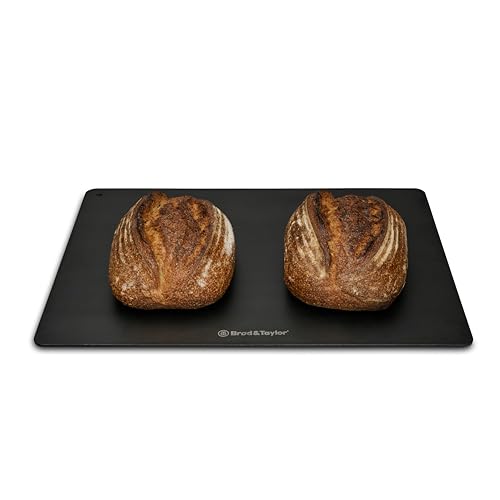
For a crisper bottom crust, place the ceramic dish on a preheated baking steel, pizza stone, or heavy sheet pan, provided the manufacturer permits that use. Do not put a cold ceramic dish directly onto a smoking-hot surface unless the instructions specifically allow it; the sharp temperature difference is a common cause of cracking.
Rim design matters more than it appears
A narrow, rounded rim saves counter space but gives fingers little security when the dish is full. A broad rim, ideally about 1 to 1.5 inches wide, is easier to grip with oven mitts and provides room for crimping pastry. This is especially valuable for deep-dish pies, which can weigh more than 6 pounds once filled.
Some ceramic dishes have fluted rims or molded handles. Fluting can support an attractive crust edge, but deep grooves may collect baked-on egg wash or butter. Integrated handles improve transport, although they increase the dish’s footprint and may not fit comfortably on a narrow oven rack.
For everyday use, prioritize a smooth, continuous rim with enough flat area to hold. Decorative paint or raised exterior details are secondary and can make cleaning more difficult.
Browning performance: ceramic versus metal and glass
Ceramic usually produces gentler, more gradual browning than dark metal. That can reduce the risk of an over-dark upper crust while the filling cooks, but it does not automatically guarantee a crisp base. Pale or underbaked bottoms are more likely when the dish is oversized, the filling is very wet, or the pie goes into a cold oven.
Unglazed or lightly colored ceramic may absorb a small amount of moisture at the exterior, while a glossy glaze makes cleanup easier and creates a more predictable surface. The interior color has a modest visual effect: a pale interior makes it easier to judge the color of the crust, whereas a dark glaze can make browning appear more advanced than it is.
For fruit pies, bake on a lower-middle rack and consider placing the filled dish on a preheated sheet pan. For custard pies, use the middle rack and avoid excessive bottom heat, which can set the crust before the filling cooks evenly.
Release and cleanup: glazed interiors win
Pie crust is not meant to slide out intact from most ceramic dishes. Ceramic pie plates are normally serving vessels, so a clean wedge is achieved by allowing the pie to cool and cutting with a thin, sharp knife rather than by turning the pie out.
A smooth glazed interior reduces sticking and makes sugary juices easier to remove. It does not eliminate the need for greasing: lightly butter the dish when a recipe recommends it, particularly for pastry with little fat or for sticky fruit fillings.
- Cool fruit pie for at least 2 to 3 hours before slicing so the filling can thicken.
- Run a thin knife along the crust edge if syrup has bonded to the rim.
- Soak residue in warm water rather than scraping with metal tools.
- Use a nylon scraper or soft sponge on baked-on filling.
- Check the care label before using a dishwasher; repeated harsh cycles can dull some glazes.
Thermal-shock resistance is a safety specification
Oven-safe temperature and thermal-shock resistance are not the same thing. A dish may tolerate 500°F in a stable oven yet crack when moved from a refrigerator into a hot oven, placed on a wet countertop, or filled with cold liquid immediately after baking.
Prefer products that explicitly state resistance to thermal shock and provide clear limits for oven, microwave, broiler, freezer, and stovetop use. Avoid stovetop burners unless the manufacturer specifically approves them; ordinary ceramic pie dishes are not designed for concentrated burner heat.
Keep these habits:
- Allow a refrigerated dish to warm gradually before baking when the instructions require it.
- Never place a hot dish on a cold, wet, or stone surface.
- Use a dry cooling rack or folded towel.
- Do not pour cold custard or fruit filling into a very hot empty dish.
- Inspect for hairline cracks before every use and retire damaged cookware.
Best ceramic pie dish by baking situation
| Your situation | Most suitable choice | Why |
|---|---|---|
| Mostly standard recipes and occasional baking | 9-inch, 1.5- to 2-quart glazed dish | Matches common recipes and costs less |
| Frequent apple or berry pie baking | 9.5- to 10-inch deep-dish, 2.25- to 3-quart capacity | Handles bulky fruit and reduces overflow |
| Custard, quiche, or delicate fillings | Standard depth with a pale, smooth interior | Allows easier visual monitoring and moderate heat |
| Small kitchen or narrow oven | Standard dish with a compact rim | Leaves more room on the rack and in storage |
| Frequent transport to gatherings | Thick dish with a broad rim or integrated handles | Provides a safer grip when full |
| Lowest purchase cost | Basic glazed stoneware | Usually offers adequate performance at about $20 to $35 |
Ownership costs and what wears first
A ceramic pie dish has no replaceable consumables, so cost per use can be low. For example, a $40 dish used twice a month for five years provides 120 uses, or about 33 cents per use before energy and ingredients. A cheaper dish is not necessarily better value if its rim chips easily or its shape does not fit your recipes.
The glaze and rim are usually the first areas to show wear. Small exterior scuffs are cosmetic, but a chip on the food-contact surface, a spreading crack, or a glaze blister is a reason to stop using the dish. Avoid stacking heavy cookware directly on top of it, and store it with a thin cloth or paper separator if cabinet space is tight.
Bottom line
For most home bakers, choose a glazed, standard nine-inch ceramic pie dish holding about 1.5 to 2 quarts, with a broad rim, a pale smooth interior, moderate wall thickness, and explicit thermal-shock guidance. Choose deep-dish capacity only when your recipes need it, and support either style with gradual temperature changes and a preheated baking surface when a crisp bottom matters. Those details do more for even crusts and clean slicing than a decorative finish or an especially heavy body.