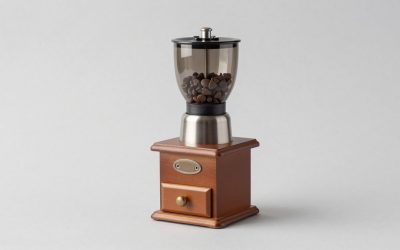
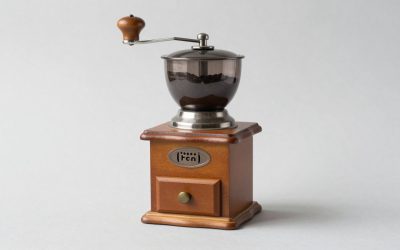
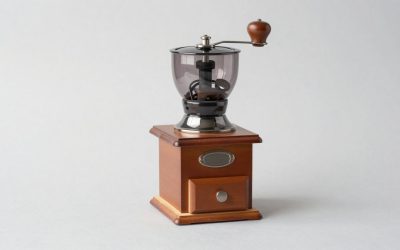
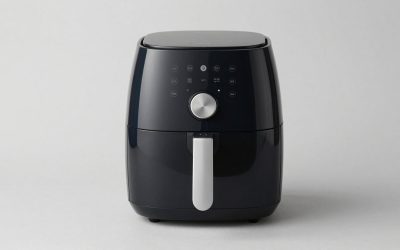
Our Top Picks
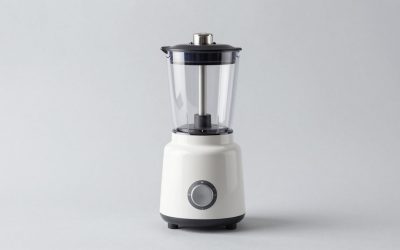
 Cuisinart Automatic Grind & Brew 12-Cup Coffee Maker12-Cup Glass8.13 x 9.98 x 15.5 inches1 poundsCheck on Amazon
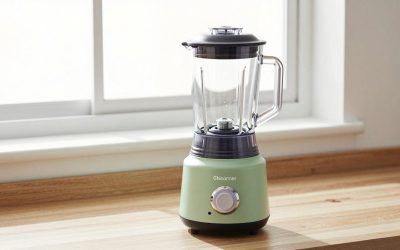
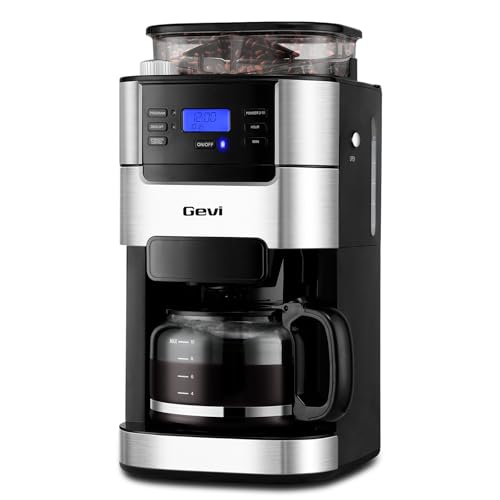 Gevi All In One 10-Cup Grind & Brew12.4"D x 8.4"W x 16.9"H12.36 x 8.38 x 16.93 inchesCheck on Amazon
 AMZCHEF Espresso Machine With Grinder44 Grind Settings12.5 x 10.82 x 13.38 inches13.89 PoundsCheck on Amazon
The best coffee machine with a grinder depends on the drink you want, but for most households the De’Longhi TrueBrew is the easiest all-round answer if you drink drip-style coffee, and the Breville Barista Express is the best pick if you want real espresso with a grinder built in. If you want hands-off lattes with a milk system, the Philips 3300 Series LatteGo is the simplest route. This guide sorts six machines into those three families (drip, espresso and bean-to-cup) so you can choose by what you actually drink, and it uses manufacturer specs and listing details instead of marketing claims.
A coffee machine with a built-in grinder takes whole beans, grinds them right before brewing and brews in the same appliance. That removes a separate grinder from the counter and makes fresh-ground coffee the default. The catch is that the grinder and the brewer are tied together: if one part wears out, the whole machine is affected, and cleaning takes more care than with a separate grinder. Before you buy, decide whether you want a pot of drip coffee, shots of espresso, or milk drinks at the touch of a button, because the right machine is different for each.
Cuisinart Automatic Grind & Brew 12-Cup Coffee Maker with Blade Grinder, Programmable Coffee Machine Glass Carafe with 1-4 Cup Setting, Brew Pause, Grind-Off Option, DGB-400NAS, Black/Stainless Steel
Chosen because it specifies Brew Pause and Grind-Off Option.
View on AmazonGevi All In One 10-Cup Grind & Brew Coffee Maker with Built-In Burr Grinder | 24-Hour Programmable Timer, 1.5L Water Tank, Warm Plate, Reusable Filter & Glass Carafe for Daily Fresh Coffee Brewing
Chosen because it specifies 24-Hour Programmable Timer and 1.5L Water Tank.
View on Amazon
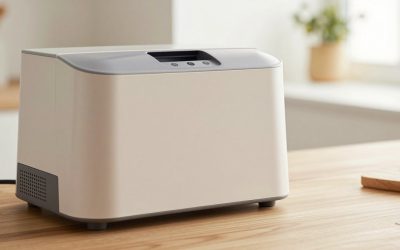
Single Cup Coffee Maker | Mini Design
Chosen because it specifies 6-16oz Single Cup for Whole Beans and Grounds.
View on AmazonAMZCHEF Espresso Machine With Grinder, Temp Control, 44 Grind Settings | Hot & Cold Brew, Cappuccinos & Lattes, Built-in Grinder, Milk Frother, Touch Screen, Easy to Clean, Compact Design, Silver
Chosen because it specifies Temp Control and 44 Grind Settings.
View on AmazonTop Picks at a Glance
- Best Overall for Drip Drinkers: De’Longhi TrueBrew – built-in conical burr grinder, five brew styles, sizes from 3 to 24 oz.
- Best for Full Pots: Cuisinart DGB-800C Burr Grind and Brew – fully automatic 12-cup burr model.
- Best for Real Espresso: Breville Barista Express – integrated conical burr grinder and a 54 mm portafilter.
- Best All-in-One Café Machine: Ninja Luxe Café Premier – espresso, drip and cold brew with a built-in scale and grinder.
- Best for Hands-Free Lattes: Philips 3300 Series LatteGo – ceramic grinder, one-touch drinks and an easy-clean milk system.
- Best Entry to Bean-to-Cup: Philips 2200 Series – fully automatic with a classic milk frother and simple controls.
Quick Comparison Table
| Product | Best for | Key specs | Watch for | Price tier |
|---|---|---|---|---|
| De’Longhi TrueBrew | Single-serve drip with fresh beans | Conical burr, 250 g hopper, 3 to 24 oz, five brew styles | No manual grind-size control | Premium |
| Cuisinart DGB-800C | Fresh full pots on a timer | Burr grinder, fully automatic, 12 cups | Hopper size not listed here | Premium |
| Breville Barista Express | Learning espresso | Integrated conical burr grinder, 54 mm portafilter, manual milk steaming | Needs practice and cleaning | Premium |
| Ninja Luxe Café Premier | One machine for espresso, drip and cold brew | 25 grind settings, built-in scale, assisted tamper, about 70 oz tank | Large footprint | Premium |
| Philips 3300 LatteGo | Lattes at the touch of a button | 12-step ceramic grinder, 1.8 L tank, 275 g hopper, 15 bar | Smaller milk jug | Premium |
| Philips 2200 Series | First bean-to-cup machine | Fully automatic, 2 coffee varieties, classic milk frother | Fewer drink options | Mid-range |
1. De’Longhi TrueBrew: Best Coffee Machine With Grinder for Drip Drinkers
- Built-in stainless steel conical burr grinder
- Bean hopper holds about 250 g (8.8 oz)
- Five brew styles: Light, Gold, Bold, Over Ice and Espresso Style
- Six sizes from 3 oz up to 24 oz (sources differ slightly on the exact size list)
- Removable water tank, reusable filter, touchscreen
- No manual grind-size control: the machine chooses the grind for each style
Best for: people who want a fresh cup, an iced cup or a travel mug without managing grind size. Skip if: you want to dial the grind yourself.
The TrueBrew does the thinking for you. Choosing a brew style tells the machine how finely to grind and how to brew, so Espresso Style grinds finer while Light and Gold grind coarser. That keeps the controls simple, and it fits households where one person wants a light cup and another wants something bold. The Over Ice style adjusts the brew so that melting ice does not leave you with a watery drink.
The size range is the real selling point. Most grind-and-brew machines brew a full pot, which is wasteful for one person. The TrueBrew is built around single cups, with sizes from a small 3 oz up to a 24 oz travel mug, so you grind only what you need. A model with a thermal carafe also exists, and it costs more, so decide whether you will brew for several people.
What you give up is control. With no manual grind adjustment, you cannot adjust the grind to compensate for a roast that tastes sour or bitter, apart from choosing a different style. Reviewers often point out that this is the trade-off for push-button simplicity. If you care about experimenting, a dedicated grinder and brewer will serve you better.
Pros:
- Burr grinder and a decent hopper
- Single-cup sizes up to 24 oz
- Five brew styles including iced
- Bypass for pre-ground coffee, according to reviewers
Cons:
- No manual grind control
- Premium price tier
- Sizable footprint
2. Cuisinart DGB-800C Burr Grind and Brew: Best for Fresh Full Pots
- Burr grinder
- Fully automatic 12-cup brewing
- Programmable operation
- Hopper size and number of grind settings: not listed in the listing title
Best for: households that want a whole pot of fresh-ground coffee waiting at wake-up time. Skip if: you only make one cup at a time.
Where the TrueBrew is built for single cups, the Cuisinart DGB-800C is a classic carafe grind-and-brew machine. It grinds beans with a burr grinder, which gives a more even grind than the blade grinder in the cheaper DGB-400, and it brews a full 12-cup pot. For a family or an office, that is a more efficient setup: one pot, one grinder, one timer.
Because the listing offers limited detail, look at the seller’s page for the hopper capacity, grind settings and carafe type before you buy. As with every grind-and-brew, plan to brush the grinder weekly and descale regularly. The advantage of this style is the coffee smell in the morning and the lack of a second appliance on the counter.
Pros:
- Burr grinding in a full-size drip machine
- Fully automatic and programmable
- Good for families and offices
Cons:
- Not suited to single cups
- Some specs thin in the listing
3. Breville Barista Express: Best Coffee Machine With Grinder for Real Espresso
- Integrated conical burr grinder with adjustable grind size
- 54 mm portafilter and a manual steam wand
- Pre-infusion and pressure control per the maker
- Roughly 15 bar pump and a tank of about 67 oz, per Breville’s specification
- Bean hopper holds about half a pound
Best for: people who want to learn espresso and steam their own milk. Skip if: you want a one-touch drink.
The Barista Express is one of the best-known semi-automatic machines with an integrated grinder, and it earns that reputation by giving you real control. You grind directly into the portafilter, tamp, and pull the shot. Changing the grind setting lets you correct a shot that runs fast or slow, which is the central skill of espresso. The manual steam wand allows you to texture milk for lattes, though it takes practice.
It is not an effortless machine. You will need to learn dosing, tamping, and cleaning the group head and steam wand after each use. That is the cost of real espresso, but it is also where the enjoyment comes from. If you are patient, you will make better coffee than a push-button machine can.
The built-in grinder saves counter space but ties the grinder to the machine. If the grinder fails, the whole machine needs service. Breville sells replacement parts and offers service, so check the warranty before you buy.
Pros:
- True espresso with grinder control
- Manual steam wand for milk drinks
- Good learning machine
Cons:
- Learning curve
- More cleaning than automatic machines
- Premium price tier
4. Ninja Luxe Café Premier: Best All-in-One Café Machine
- Conical burr grinder with 25 grind settings (about 40 mm burr per one review)
- Built-in scale for weight-based dosing and an assisted tamper
- Espresso, drip coffee and cold brew modes
- Water tank about 70 oz per reviews
- Hands-free milk frother (the count of froth presets differs between sources)
Best for: households that want espresso, a drip mug and an iced coffee from one machine. Skip if: you have a small counter.
The Ninja Luxe Café Premier tries to cover three drinks in one: espresso, drip coffee from 6 to 18 oz and cold brew. The built-in scale doses by weight, which is more accurate than volume and removes a common source of inconsistent shots. The assisted tamper helps beginners press evenly. The machine suggests a grind setting based on the drink you choose.
The trade-off is size. At about 15.75 inches wide and 20.5 inches tall according to retailer data, it needs space and cabinet clearance. The cold brew mode is not a true overnight brew, according to a reviewer, so treat it as a fast iced coffee option rather than a replacement for a steeping pitcher.
Pros:
- Three drink families in one machine
- Weight-based dosing and assisted tamper
- Wide range of grind settings
Cons:
- Large footprint
- Cold brew is not traditional
- Premium price tier
5. Philips 3300 Series LatteGo: Best for Hands-Free Lattes
- Ceramic flat burr grinder with 12 steps
- Bean hopper about 275 g
- 1.8 L water tank
- Roughly 15 bar pump pressure
- Drinks include espresso, coffee, cappuccino, latte macchiato and iced coffee
- LatteGo milk system with a 0.26 L carafe
- Three aroma strengths and three temperature settings
Best for: people who want a latte at the touch of a button and easy cleanup. Skip if: you want to control the shot manually.
This is a fully automatic machine, so you load beans and water, tap a drink and walk away. The ceramic grinder resists heat and wear, and 12 steps give you room to tune a coffee that is too weak or too strong. The LatteGo milk system is unusual: it has no tubes, with just two pieces to rinse, which makes daily cleaning much simpler than with a steam wand.
The smaller milk jug is a limit if you serve several people at once, and fully automatic machines make a thinner crema than a good semi-automatic machine. But for a household that mostly wants a decent latte on a weekday morning, the consistency and convenience are the point. With the correct filter, the maker states a long interval between descaling cycles, but you should still follow the instructions.
Pros:
- One-touch drinks
- Easy-clean milk system
- Ceramic grinder with 12 steps
Cons:
- Less control over the shot
- Small milk carafe
6. Philips 2200 Series: Best Entry to Bean-to-Cup
- Fully automatic with a built-in grinder
- Two coffee varieties
- Classic milk frother (a steam-style wand)
- Touch display
- Grinder step count and tank size: not listed here
Best for: first-time bean-to-cup buyers who want the simplest controls. Skip if: you want a long menu of drinks.
The 2200 Series sits below the 3300 in the Philips lineup. It trims the drink list to two coffee varieties and uses a classic frother, so you steam milk by hand. For someone who mostly drinks black coffee or an americano, that is plenty. The lower price tier makes it the least risky way to test whether you like the bean-to-cup routine.
Check the seller page for tank size and grinder steps, and read the cleaning schedule before purchase. Fully automatic machines need regular brew-group rinses and descaling, and skipping them is the most common cause of poor taste.
Pros:
- Simple and approachable
- Lower price than other bean-to-cup models
- Classic frother for flexibility
Cons:
- Limited drink list
- Some specs not listed
Also Consider
- De’Longhi Magnifica Evo: a step up in the De’Longhi automatic range, with a manual milk frother and one-touch recipes.
- EUHOMY Automatic Espresso Machine: an espresso maker with built-in grinder, 15 grind settings and a milk frother, aimed at a lower price.
- AMZCHEF Espresso Machine With Grinder: 44 grind settings and temperature control, with hot and cold brew options.
- Gevi All-in-One 10-Cup Grind and Brew: a drip machine with a built-in burr grinder and a 24-hour timer.
How We Chose
This guide is research-based. We did not personally use these products. We compared listing details with manufacturer product pages and independent coverage from coffee review sites, focusing on grinder type, hopper size, drink range and the effort each machine demands. Where sources disagreed (for example, the TrueBrew size list or the Ninja froth presets) we say so. Where a detail was not listed, we wrote “not listed” instead of guessing.
We limited the list to two products per brand, spread picks across drip, espresso and bean-to-cup, and used tiers rather than exact prices because prices change.
Buying Guide
Decide the drink first
If you drink drip or pour-over style coffee, choose a grind-and-brew. If you want espresso with the ability to steam milk, choose a semi-automatic like the Barista Express. If you want lattes with minimal effort, choose a bean-to-cup. Buying the wrong type is the most common reason people regret a purchase.
Burr grinder over blade
All six picks use burr grinders or a documented burr-style grinder, and that is intentional. A burr grinder produces a more consistent particle size, which gives more even extraction. A blade is acceptable only in the cheapest grind-and-brew machines.
Hopper and freshness
Hoppers of 250 g or so are common. Beans sitting in a warm machine lose aroma over time, so load a week of beans at most and store the rest in a sealed container.
Grind control
Some machines choose the grind for you, while others offer 12, 25 or more steps. More steps give you more control over taste, but you must be willing to adjust. If you want push-button simplicity, a machine like the TrueBrew is fine.
Milk system
A steam wand gives the best foam but needs practice. A system like LatteGo is easier to clean and gives consistent results. If you don’t drink milk drinks, skip the milk system and save money.
Footprint and cleaning
Measure your counter and the space under cabinets. Large machines such as the Ninja can exceed 20 inches in height. Decide how much cleaning you will tolerate: a semi-automatic needs more after each drink, while an automatic needs periodic brew-group rinses and descaling.
Match the Machine to Your Morning
| Your situation | Best fit | Why |
|---|---|---|
| One person, one mug, no fuss | De’Longhi TrueBrew | Single sizes from 3 to 24 oz, so nothing is wasted |
| Family of four, coffee at the same time | Cuisinart DGB-800C | 12-cup pot on a timer |
| Coffee hobbyist who wants to learn | Breville Barista Express | Grind, dose, tamp and steam by hand |
| Mixed household: lattes, iced, drip | Ninja Luxe Café Premier | Three drink families in one body |
| Latte every weekday, minimal cleanup | Philips 3300 LatteGo | One-touch drinks and a two-piece milk system |
| Curious about bean-to-cup, small budget | Philips 2200 | Lowest-risk way to try it |
A simple way to compare ownership cost is to count cups per week. If you make 14 cups a week and the machine is used for 3 years, that is roughly 2,100 cups. Even a machine in the premium tier spreads out to a modest amount per cup, but only if you actually use it daily. A machine that sits unused because it takes ten minutes to clean is the most expensive of all, so be honest about how much effort you will put in at 7 a.m.
It also helps to think about who else will use the machine. A semi-automatic like the Barista Express rewards the person who enjoys the process, but a partner who just wants a coffee may avoid it. A one-touch machine like the Philips 3300 or the TrueBrew is easier to share, since anyone can operate it without training. If several people with different tastes live in your home, a machine with a clear menu is a happier choice.
Finally, think about repairs. Built-in grinders add a part that can wear out, and the grinder is often the first thing to need service on a heavily used machine. Look at the warranty length, whether the maker lists replacement parts, and whether the brew group or burrs are removable for cleaning. Those details matter more over three years than a small difference in features on the day you buy.
Frequently Asked Questions
What is the best coffee machine with a grinder?
It depends on the drink. The De’Longhi TrueBrew suits drip drinkers, the Breville Barista Express suits espresso learners, and the Philips 3300 LatteGo suits people who want lattes at the touch of a button.
Is a built-in grinder as good as a separate one?
Built-in burr grinders are good enough for most home use, but a separate grinder usually gives more control and is easier to replace. The built-in version wins on convenience and counter space.
Can I use pre-ground coffee in these machines?
Many machines have a bypass chute or Grind-Off option, but not all. Check the specifications for the model you choose, particularly for decaf.
How often should I clean a coffee machine with a grinder?
Wipe and rinse removable parts daily or after each use, brush out the grinder weekly, and descale according to the maker’s schedule. Hard water means more frequent descaling.
Do bean-to-cup machines make real espresso?
They make espresso-style coffee using pressure, and many do it well. Semi-automatic machines give you more control and often better crema, but automatic machines offer consistency and speed.
How long do beans stay fresh in the hopper?
Aim to use the beans within a week of loading them, and avoid leaving a full hopper for weeks, particularly in warm kitchens.
Is a coffee machine with a grinder worth the extra cost?
If you value fresh-ground coffee and have limited space, yes. If you enjoy tweaking and upgrading, separate components give more flexibility.
Which One Should You Buy?
Pick the De’Longhi TrueBrew if you drink drip coffee by the cup, and the Cuisinart DGB-800C if you brew whole pots. Choose the Breville Barista Express to learn real espresso, the Ninja Luxe Café Premier if you want espresso, drip and iced coffee in one machine, and the Philips 3300 LatteGo for hands-free lattes. If you are not sure bean-to-cup is for you, start with the Philips 2200. Whichever machine you choose, store only a week of beans in the hopper and follow the cleaning schedule.
Sources
- De’Longhi product information for the TrueBrew
- Breville product specifications for the Barista Express
- SharkNinja product page for the Ninja Luxe Café Premier ES601
- Philips product documentation for the 3300 Series LatteGo
- Independent coffee machine reviews from consumer publications
Last updated: October 2026