Key takeaways
- Do not use steel wool or metal scouring pads. They can scratch the enamel and leave gray transfer marks that look like new discoloration.
- Do not use an oven-cleaning spray. These products can be too caustic for the enamel and may leave residue in a vessel used for food.
- Do not heat the pot while it is empty. Enameled cast iron should contain food, oil, or liquid before going on a burner.
- Do not plunge a hot pot into cold water. Wait until it has cooled, then use warm water for cleaning.
- Do not use chlorine bleach as a routine cleaner. It can be harsh on surfaces and is unnecessary for ordinary stains.
- Do not bang utensils against the interior. A hard impact can chip enamel, especially around the bottom and corners.
- Do not stack abrasive cookware directly inside the pot. Place a towel or pan protector between pieces during storage.
Discoloration inside an enameled Dutch oven is usually caused by browned oil, starch, mineral deposits, or heat marks—not a sign that the pot is ruined. The safest approach is to loosen the residue gradually with warm water, dish soap, and mild abrasives. Scrubbing too aggressively, heating an empty pot, or pouring cold water into a hot Dutch oven can dull the enamel, create chips, or worsen existing damage. This method works for common white, cream, and light-colored interiors, including many 5.5- to 6-quart enameled cast-iron pots.
Before cleaning, let the Dutch oven cool completely. In 2026, replacement cookware can range from about $40 to $75 for a basic enameled cast-iron model, but careful cleaning is usually enough to restore a stained interior.
As an Amazon Associate we earn from qualifying purchases at no extra cost to you. Product prices and availability are accurate as of the date shown and are subject to change.


What You Need
| Item | Why | Optional? |
|---|---|---|
| Warm water | Softens dried food and helps prevent thermal shock | No |
| Liquid dish soap | Breaks down grease and cooking oils | No |
| Baking soda | Provides a mild abrasive for brown or gray stains | No |
| Soft nylon brush or non-scratch sponge | Lifts residue without cutting into the enamel | No |
| Wooden or silicone utensil | Helps loosen stuck food safely | Optional |
| 3% hydrogen peroxide | Helps lift persistent oil-based discoloration when combined with baking soda | Optional |
| Soft microfiber towel | Dries the pot and reveals remaining marks | Optional |
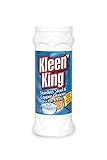
A non-scratch cleaner made for enamel can also be useful for stubborn marks, but read its label first. Avoid steel wool, wire brushes, pumice, razor blades, and powdered cleaners with coarse grit. If you are shopping for a replacement or a second pot, common options include the approximately 5.5-quart Overmont Enameled Cast Iron Dutch Oven, often priced around $40 to $45, and the 6-quart Lodge Essential Enamel Cast Iron Dutch Oven, commonly around $70 to $75. The cleaning process is the same for either size.
Step-by-Step
-
Let the Dutch oven cool completely — 30 to 60 minutes
Set the pot on a heat-resistant surface and wait until it is cool enough to touch. Do not transfer a hot Dutch oven directly to a cold sink or add cold water to it. Enameled cast iron holds heat for a long time, and a rapid temperature change can cause thermal shock. Check the rim and handles as well as the interior; they may remain hot after the center feels cooler.
-
Remove loose food and rinse with warm water — 2 to 3 minutes
Use a silicone spatula, wooden spoon, or your fingers to lift off loose pieces. Rinse with warm—not scalding—water. Do not scrape with a knife or metal turner. If the residue is thick, fill the pot with enough warm water to cover it and let it sit for 10 minutes before proceeding.
-
Soak with dish soap — 15 to 30 minutes
Add 1 to 2 teaspoons of liquid dish soap and enough warm water to cover the discoloration. Let the pot soak for at least 15 minutes. For baked-on food, place the Dutch oven on the stove and warm the soapy water over low heat for about 5 minutes; it should be hot but not violently boiling. Turn off the burner, let the water cool, and then wash with a soft sponge.
-
Make a baking soda paste — 5 minutes
For brown, black, or gray marks that remain, drain the pot and sprinkle in about 2 to 4 tablespoons of baking soda, depending on the stained area. Add water 1 teaspoon at a time until it forms a spreadable paste. Cover the discoloration with a thin layer and leave it in place for 10 to 15 minutes. Baking soda is mildly abrasive, so it can polish residue without the harsh scratching associated with metal tools.
-
Scrub gently — 3 to 5 minutes
Use a damp, non-scratch sponge or soft nylon brush and work in small circles. Apply light to moderate pressure rather than trying to remove everything in one pass. Rinse and inspect the surface. Repeat the paste treatment once or twice if necessary. A few faint cooking marks on light enamel may remain; they do not necessarily affect performance.
-
Treat persistent grease stains — 30 to 60 minutes
For a stubborn oily film, spread a paste made from baking soda and 3% hydrogen peroxide over the stain. Use enough peroxide to moisten the powder, not flood the pot. Let it sit for 30 minutes, then scrub gently and rinse thoroughly. Wear gloves if your skin is sensitive, keep the mixture away from eyes, and never combine hydrogen peroxide with bleach, ammonia, or other cleaners.
-
Rinse, dry, and inspect — 5 minutes
Rinse until no soap or powder remains. Dry the interior and rim completely with a soft towel, then leave the lid off for another 15 to 20 minutes. Look for chips, hairline cracks, rough spots, or exposed dark cast iron. Discoloration that feels smooth is usually cosmetic; damage that feels sharp or irregular requires a different response.
Mistakes to Avoid
- Do not use steel wool or metal scouring pads. They can scratch the enamel and leave gray transfer marks that look like new discoloration.
- Do not use an oven-cleaning spray. These products can be too caustic for the enamel and may leave residue in a vessel used for food.
- Do not heat the pot while it is empty. Enameled cast iron should contain food, oil, or liquid before going on a burner.
- Do not plunge a hot pot into cold water. Wait until it has cooled, then use warm water for cleaning.
- Do not use chlorine bleach as a routine cleaner. It can be harsh on surfaces and is unnecessary for ordinary stains.
- Do not bang utensils against the interior. A hard impact can chip enamel, especially around the bottom and corners.
- Do not stack abrasive cookware directly inside the pot. Place a towel or pan protector between pieces during storage.
How Often
Wash the Dutch oven after every use, even when it looks clean. A quick cleaning with warm water, dish soap, and a soft sponge prevents oil from baking onto the surface during the next cooking cycle. Use the baking soda treatment whenever ordinary washing leaves visible marks—typically every few weeks to a few months, depending on how often you braise, roast, fry, or bake in the pot.
Do not try to make light enamel look factory-new after every meal. Frequent aggressive scrubbing can cause more wear than a harmless stain. Instead, clean promptly after tomato sauce, chili, curry, frying oil, and sugary foods, which are more likely to leave visible residue.
When to Call a Pro or Replace
There is rarely a reason to call a professional for simple interior discoloration. Consider contacting the manufacturer if the enamel is peeling, cracking, or developing repeated chips while the cookware is used normally. Keep the receipt and note the model, approximate purchase date, and location of the damage.
Replace the Dutch oven if a chip exposes cast iron in the cooking area, if a crack runs through the enamel, or if the surface is flaking. Exposed metal can rust, and loose enamel fragments should not enter food. A small chip on an exterior rim may not immediately affect cooking, but it can spread and should still be monitored. Never sand or paint the interior to repair it.
FAQ
Why did the enamel inside my Dutch oven turn brown?
Brown marks usually come from polymerized cooking oil, especially after roasting, frying, or cooking at high heat. Starch and proteins can also form a baked-on film. If the surface remains smooth and the mark lightens with baking soda, it is generally cosmetic.
Can I use Bar Keepers Friend on enameled cast iron?
Some enamel-safe versions can be used, but follow the product label and choose a soft liquid or gentle cleanser rather than a coarse abrasive powder. Test a small hidden area first, use light pressure, and rinse thoroughly. Baking soda is the safer first option for routine discoloration.
Will vinegar remove discoloration?
Diluted vinegar may help with white mineral deposits, but it is not the best solution for baked-on grease. If you use it, dilute one part white vinegar with three parts water, limit contact to about 10 minutes, and rinse well. Never mix vinegar with bleach or other cleaners.
Is a discolored Dutch oven still safe to use?
Usually, yes, if the enamel is intact, smooth, and free of cracks or loose pieces. A stain alone does not make the cookware unsafe. Stop using it for food if the interior is chipped, flaking, sharply cracked, or exposing rust-prone cast iron.