Key takeaways
- Do not soak indefinitely. Vinegar is for loosening rust, not storing the pan in a bath.
- Do not use bleach. It is unsafe with acids and can damage metal and surfaces.
- Do not sand unless you accept a major refinish. Sanding can alter the cooking surface and remove useful iron; this method relies on chemical loosening and scrubbing.
- Do not oil a wet skillet. Trapped water encourages flash rust beneath the new coating.
- Do not apply thick oil. Several thin coats create a harder, smoother finish than one heavy coat.
- Do not put a hot skillet under cold water. Thermal shock can warp or crack cast iron.
- Do not use the dishwasher. Long exposure to water and detergent strips seasoning and promotes rust.
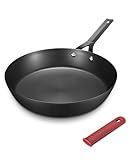
Restoring a rusted cast iron skillet without sanding is possible when the damage is surface rust rather than deep pitting. The safest approach is to loosen the rust with a short acid soak, scrub it away with non-sanding tools, dry the pan immediately, and rebuild its protective seasoning.
The biggest problem with doing this job badly is leaving acid on the iron too long. Vinegar can continue attacking the metal after the orange rust is gone, creating a dull, rough surface. A wet skillet can also flash-rust within minutes, while excessive heat can warp the pan or burn seasoning into sticky patches. The process below is designed for a typical 8- to 12-inch cast iron skillet and works well as a practical 2026 maintenance method.
As an Amazon Associate we earn from qualifying purchases at no extra cost to you. Product prices and availability are accurate as of the date shown and are subject to change.
What You Need
| Item | Why | Optional? |
|---|---|---|
| Distilled white vinegar | A mild acid that loosens surface rust | No |
| Water | Dilutes vinegar and rinses away residue | No |
| Plastic tub or bucket | Holds the skillet during the soak | No |
| Nylon scrub brush or non-scratch scouring pad | Removes softened rust without sanding | No |
| Plastic scraper | Lifts thick flakes and stuck-on seasoning | Optional |
| Baking soda | Neutralizes remaining vinegar after soaking | Optional but useful |
| Clean towels | Dries the iron quickly | No |
| Neutral cooking oil or cast iron conditioner | Protects the bare iron and starts seasoning | No |
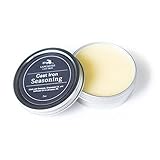
| Lancaster Cast Iron Seasoning | A ready-to-use conditioner for cast iron and carbon steel; about $14 | Optional |
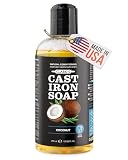
| CLARK’S Cast Iron Cleaner, 12 oz | A plant-based soap for routine cleaning; about $14.99 | Optional |
Also gather rubber gloves, eye protection, and an oven if you plan to bake on the final seasoning. Do not use a sealed container for the vinegar solution, and keep children and pets away from the work area.
Step-by-Step
1. Inspect and remove loose debris (5 to 10 minutes)
Set the skillet on a towel and examine the cooking surface, sides, bottom, handle, and pour spouts. Look for loose orange flakes, black seasoning chips, cracks, and deep pits. Brush away loose debris with a dry nylon brush. Use a plastic scraper for thick, lifted patches.
Do not try to restore a skillet with a visible crack, a hole, or a rim that rocks badly on a flat surface. Set it aside for the replacement assessment later in this guide.
2. Make a diluted vinegar bath (5 minutes)
Mix equal parts distilled white vinegar and water in a plastic tub. You need enough solution to cover the rusty areas, not necessarily the entire pan. For a 10-inch skillet, 4 to 6 cups of total liquid is usually enough if you rotate the pan during the process.
Put on gloves and lower the skillet into the bath. Keep wooden handles, helper handles with trapped moisture, and any decorative attachments out of the liquid when possible. Vinegar is acidic, so avoid aluminum containers and do not mix it with bleach or other cleaners.
3. Check the rust frequently (15 to 60 minutes)
Start with 15 minutes. Remove the skillet, rinse a small area, and rub it with the nylon pad. If the orange coating lifts easily, proceed to scrubbing. If it remains firmly attached, return the pan to the solution for another 10 to 15 minutes.
Most surface rust loosens within 30 to 60 minutes. Avoid leaving the skillet in diluted vinegar for more than two hours, and do not leave it soaking overnight. Long exposure can etch the iron and make the surface unnecessarily rough.
4. Scrub away the softened rust (10 to 20 minutes)
Rinse the skillet under warm running water, then scrub every rusty area with a nylon brush or non-scratch scouring pad. Work in small circles and apply steady pressure rather than trying to gouge the metal. A plastic scraper can remove softened flakes from the rim and corners.
For stubborn spots, make a thick paste from baking soda and a small amount of water. Spread it over the area, wait five minutes, and scrub again. You may need two or three short vinegar cycles for heavy surface rust. The goal is clean gray or dark iron, not a perfectly polished finish.
5. Neutralize and rinse (5 minutes)
Rinse the skillet thoroughly with warm water. If you used vinegar for more than a brief soak, wipe the pan with a baking soda solution made from 1 tablespoon of baking soda in 2 cups of water. Rinse once more with clean water.
Do not use dish soap aggressively at this stage if the pan has exposed bare iron everywhere; the important task is removing acid and rust residue. A small amount of mild soap is acceptable, but rinse completely.
6. Dry immediately with heat (5 to 10 minutes)
Wipe the skillet with a clean towel, including the underside, handle, and rim. Place it on a stovetop burner over low to medium heat for 5 to 10 minutes, or put it in a 200°F oven for about 10 minutes. This drives moisture from pores and seams that a towel may miss.
When the pan is dry and warm, inspect it again. A slight blue-gray or uneven color is normal. If orange rust reappears, scrub that area with a dry pad, rinse quickly, and heat-dry it again.
7. Apply a very thin coat of oil (5 minutes)
Turn off the heat and add approximately 1 teaspoon of neutral oil to a 10-inch skillet. Suitable choices include canola, grapeseed, vegetable, or refined sunflower oil. Wipe the oil over the entire pan with a folded cotton cloth or paper towel, including the exterior and handle.
Now wipe again with a clean section of the towel. The surface should look satin-like, not wet or glossy. Excess oil is the main cause of sticky seasoning.
8. Bake on the first seasoning layer (1 hour 15 minutes)
Place the oiled skillet upside down in a 450°F oven, with a baking sheet or foil on the rack below to catch drips. Bake for 1 hour, then turn off the oven and let the pan cool inside for at least 15 minutes.
Repeat the thin-oil-and-bake cycle two to three times for a skillet that was mostly stripped. A restored pan may look mottled after the first cycle; it will even out with use. A ready-made conditioner such as Lancaster Cast Iron Seasoning can replace plain cooking oil if you follow its label directions.
9. Cook a low-acid meal (20 to 30 minutes)
After the pan cools, cook something moderately fatty, such as cornbread, pancakes, potatoes, or bacon. Avoid tomato sauce, wine reductions, and other acidic foods during the first few uses. Wash the skillet, dry it over low heat, and wipe on a tiny amount of oil after each meal.
Mistakes to Avoid
- Do not soak indefinitely. Vinegar is for loosening rust, not storing the pan in a bath.
- Do not use bleach. It is unsafe with acids and can damage metal and surfaces.
- Do not sand unless you accept a major refinish. Sanding can alter the cooking surface and remove useful iron; this method relies on chemical loosening and scrubbing.
- Do not oil a wet skillet. Trapped water encourages flash rust beneath the new coating.
- Do not apply thick oil. Several thin coats create a harder, smoother finish than one heavy coat.
- Do not put a hot skillet under cold water. Thermal shock can warp or crack cast iron.
- Do not use the dishwasher. Long exposure to water and detergent strips seasoning and promotes rust.
How Often
A fully rusted skillet should need this restoration only once. Routine care is simpler: clean after each use, dry over low heat, and apply a very thin oil film when the pan looks dry or dull. Re-season in the oven when food begins sticking across much of the surface, the finish looks patchy, or bare gray spots appear.
For normal home cooking, a light oven seasoning every few months may be enough. Frequent use of acidic foods, long storage, or a humid kitchen may require it more often. A dedicated cast iron soap, such as CLARK’S Cast Iron Cleaner, can be used for regular cleaning when you want a product formulated for cookware rather than a strong degreaser.
When to Call a Pro or Replace
Most surface rust is a do-it-yourself problem. Consider professional evaluation if the skillet has a crack through the cooking surface or sidewall, a loose handle, a hole, severe flaking, or deep pitting that catches a fingernail throughout the cooking area. A professional may be able to assess an antique or collectible piece without removing valuable markings.
Replace the skillet if it leaks, rocks dangerously on a flat cooktop, has a structural crack, or has deep corrosion that leaves the cooking surface sharply uneven. A replacement 10- to 12-inch cast iron skillet commonly costs about $20 to $80, while vintage or specialty pieces may cost considerably more.
FAQ
Can I restore cast iron with only vinegar and water?
Vinegar and water loosen the rust, but you still need to scrub, rinse, dry, and reseason the skillet. Vinegar alone does not create a protective cooking surface.
How long can cast iron sit in vinegar?
Check it after 15 minutes and aim to finish within 30 to 60 minutes. Do not exceed two hours for a typical equal-parts solution. Heavy rust is safer to treat in several short cycles than one long soak.
Why did my skillet rust again after cleaning?
Flash rust usually means the pan remained damp, the vinegar was not fully rinsed away, or the first oil coat was too thin or uneven. Heat-dry the skillet immediately and apply a thin, complete coat of oil before seasoning.
Is a rusty cast iron skillet safe to cook with?
Do not cook on active, flaky rust. Remove the rust, rinse away all residue, dry the pan completely, and rebuild the seasoning first. Once the surface is stable, clean, and properly seasoned, the skillet can return to normal use.