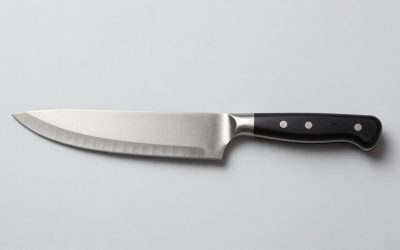
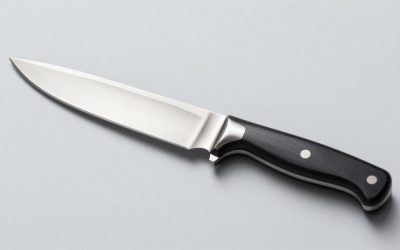
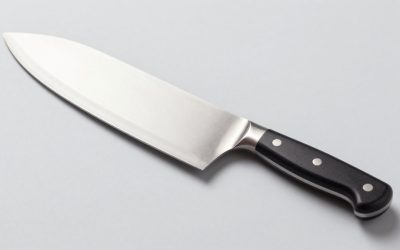
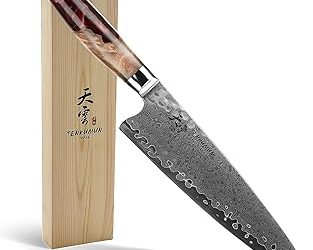
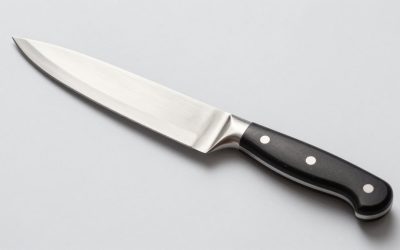
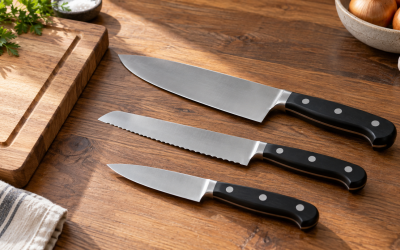
When you step into the world of traditional Japanese butchery, the heavy-duty Deba knife stands out as an essential instrument for breaking down whole fish. Choosing the right model in 2026 requires looking past marketing hype and understanding traditional forging techniques, steel types, and hand orientation. Because this knife is engineered for specific, rigorous tasks, buying the correct version ensures clean cuts along the spine and clean separation from bones without risking structural damage.
Buying a Deba isn’t like purchasing a standard western chef’s knife; its specialized geometry means a poor choice will lead to chipped edges or awkward handling. This guide breaks down the core specifications that actually matter, helping you filter out unnecessary features and invest in a kitchen tool that performs reliably for years of seafood prep.
As an Amazon Associate we earn from qualifying purchases at no extra cost to you.

Understanding Single-Bevel Geometry
The defining characteristic of a traditional Deba is its single-bevel edge, known as kataba. Unlike a symmetrical western blade, only one side of the knife is ground to an edge, while the reverse side features a concave hollow known as urasuki. This geometry allows the blade to glide effortlessly through fish flesh and slide cleanly away from the bone without tearing the delicate meat. When evaluating options, verify that the bevel angle matches your expectations for precision work. A true single-bevel blade requires a learning curve, but it delivers unmatched cutting performance when maintaining traditional Japanese preparation methods.
Right-Handed Versus Left-Handed Blades
Because of the single-bevel design, Deba knives are strictly directional. A right-handed Deba is ground on the right side, meaning the flat back rests against the product to guide the cut straight down. If a left-handed cook attempts to use a right-handed Deba, the blade will naturally veer away from the intended cut line, making precise butchery nearly impossible. Left-handed cooks must seek out mirror-image, left-handed specific Deba knives. Manufacturers forge these in smaller quantities, so verifying hand orientation before purchasing is an absolute necessity to avoid frustrating kitchen accidents.
Choosing the Right Deba Size for Your Catch
Deba knives vary significantly in length and weight, typically ranging from small 120mm variants up to massive 240mm commercial models. For home kitchens dealing with medium-sized whole fish like snapper, trout, or salmon, a 165mm or 180mm blade hits the optimal balance of maneuverability and heft. Smaller blades lack the weight needed to sever small bones cleanly with a gentle palm tap, while oversized models feel clumsy when working on standard cutting boards. Match the blade length to the average size of the fish you purchase most frequently.
Carbon Steel Versus Stainless Steel Options
Blade steel dictates edge retention, sharpening ease, and maintenance requirements. Traditional Debas are forged from high-carbon steels like Shirogami (White Steel) or Aogami (Blue Steel), which take an exceptionally sharp edge and are easy to resharpen on waterstones. However, these carbon steels rust quickly if left wet. Modern stainless alternatives offer rust resistance at the expense of a slightly more complex sharpening process. If you prefer low-maintenance tools, stainlessclad or powder steel options provide a great middle ground, though traditionalists still lean toward reactive carbon for maximum bite.
Evaluating Spine Thickness and Weight Distribution
A true Deba is categorized by its remarkably thick spine, often measuring between 5mm and 9mm near the heel. This heavy spine gives the knife the necessary mass and structural integrity to cut through fish heads and small bones without bending. When inspecting a prospective knife, check the balance point. It should feel slightly blade-heavy right at the pinch grip area, allowing gravity to assist with the downward chopping motions required during heavy butchery tasks.
Handle Styles: Traditional Wa-Handle vs. Western Yo-Handle
Handle construction impacts both comfort and balance. Traditional Japanese wa-handles feature a lightweight wood construction with a horn or plastic ferrule, pushing the balance point forward toward the blade. Western yo-handles feature full tangs riveted to wood or composite scales, offering a heavier, more familiar feel for cooks accustomed to European cutlery. While wa-handles are traditional and easy to replace when worn, western handles offer robust durability for high-volume commercial environments.
When to Spend More on a Master-Forged Blade
Price discrepancies in the knife market often reflect the labor intensity of the forging process and the maker’s reputation. Entry-level machine-forged Debas work adequately for occasional home use, but hand-forged options by certified blacksmiths offer superior steel lamination, better geometry, and longer edge retention. Spend more if you process whole fish on a weekly basis and appreciate the artistry of hand-hammered finish work, but stick to mid-range options if you are merely testing your hand at home sushi preparation.
Related Guides
When building a complete Japanese knife kit, it pays to explore other specialized shapes designed for distinct culinary tasks. Read our Best Deba Knives in 2026: Compared and Ranked review for top picks in fish butchery. For everyday vegetable chopping and general slicing tasks, check out the Best Santoku Knives in 2026: Compared and Ranked roundup. And for tackling heavy vegetable prep without chipping your delicate edges, consult the Best Nakiri Knives in 2026: Compared and Ranked guide.
FAQ
Can a Deba knife be used to cut through large fish bones?
A Deba is designed to cut through small to medium fish bones, such as those found in salmon and sea bream. However, attempting to chop through massive tuna bones or frozen spines can cause the thin, hard edge to chip. Always use a proper cleaver or saw for extremely dense skeletal structures.
Are Deba knives suitable for left-handed cooks?
Standard Deba knives feature a single-bevel edge tailored exclusively for right-handed users. Left-handed cooks must purchase specially manufactured left-handed models to ensure the blade tracks straight down through the fish. Using the wrong orientation results in crooked cuts.
What is the difference between a Mioroshi Deba and a Hon Deba?
A Hon Deba is the traditional, heavy version with a thick spine meant for general fish butchery and bone cutting. A Mioroshi Deba is slightly thinner and longer, designed primarily for filleting whole fish with greater slicing efficiency rather than heavy chopping.
How often should a single-bevel Deba knife be sharpened?
Sharpening frequency depends on usage volume, but single-bevel blades generally require touch-ups on fine waterstones every few cooking sessions to maintain their razor-sharp geometry. Because of the specialized concave back, care must be taken not to alter the flat urasuki side during maintenance.