Our Short List of 3
- Best for: Pass counters and prep stations where plates are finished with a mist and counter herbs dry out by midday, and where an even spray beats a poured or wiped one.
- Brand: Hydior, per the listing name
- Type: Frosted glass spray bottle, 2 pack, per the listing name
- Role in the set: The finishing post — a bottle at the pass for the last mist, its pair standing by at the sink
- A spray bottle only — not a counter fitting, an oil cruet or a watering can; the listing’s stated form decides the work it suits

- Best for: Counter ends and kit shelves where grips and handles are re-wrapped as they wear, and one tape bought on its stated form covers the job.
- Brand: ALIEN PROS, per the listing name
- Type: Golf grip wrapping tapes, per the listing name
- Role in the set: The grip post — wrapping tape kept at the counter’s end for the handles on the crew’s own kit
- Wrapping tapes only — not a grip, a handle or a counter fitting; the listing’s stated form decides the work they suit
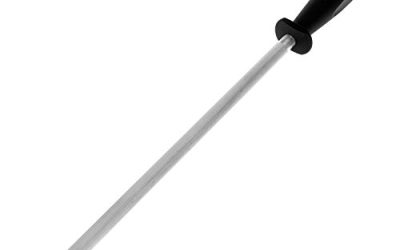
- Best for: Knife rails and prep counters where edges are dressed before each service and one rod, bought on its stated length, covers the longest blade in the set.
- Brand: Regent Works, per the listing name
- Type: Knife sharpening rod, per the listing name
- Stated length: 11.5 inch, per the listing name
- Role in the set: The edge post — the rod drawn before the first prep, kept beside the knife rail
All 5 Picks at a Glance
| Product | Specs | Action |
|---|---|---|
| Hydior Frosted Glass Spray Bottle |
| Check price on Amazon |
| ALIEN PROS Golf Grip Wrapping Tapes |
| Check price on Amazon |
| Regent Works Knife Sharpening Rod |
| Check price on Amazon |
 LiBa Scalp Massager Shampoo Brush |
| Check price on Amazon |
 Marc Anthony Hair Mask |
| Check price on Amazon |
Our Top Picks
- Empty Frosted Glass Spray Bottle 3.4oz3.4 Ounces (Pack of 2)1.76 x 1.76 x 5.57 inches0.5 poundsCheck on Amazon
The new servery counter went in this week, and the parcel under it arrived invoiced as copaiba-branco. A name like that reads as a promise, but it settles nothing by itself: copaiba parcels run red-brown as a habit, and branco claims only the pale end of one. So the boards were graded the way this counter grades everything that earns a post on it, line by line on what each listing states, with the colour word read last.
This round serves the crews who run a pass counter and the home cooks who keep one: five posts rebuilt along the new run, each chosen from its Amazon listing’s stated title and specs. A spray bottle takes the finishing post, wrapping tapes the grip post, a sharpening rod the edge post, and the wash-up shelf closes the run with a shampoo brush and a hair mask.
Quick Picks
As an Amazon Associate we earn from qualifying purchases
The round, post by post, from the pass end to the wash-up shelf:
| Product | Best for | Key spec from title |
|---|---|---|
| Hydior Frosted Glass Spray Bottle | The finishing post, for the last mist over plates leaving the pass | Frosted glass spray bottle, 2 pack, per the listing name |
| ALIEN PROS Golf Grip Wrapping Tapes | The grip post, for the handles re-wrapped during the fit-out | Golf grip wrapping tapes, per the listing name |
| Regent Works Knife Sharpening Rod | The edge post, for the knives coming back to the rail | Knife sharpening rod, 11.5 inch, per the listing name |
| LiBa Scalp Massager Shampoo Brush | The wash post, for the crew’s own wash at the staff sink | Scalp massager shampoo brush, per the listing name |
| Marc Anthony Hair Mask | The getting-ready post, for the cook washing up after the first shift | Hair mask, per the listing name |
No post on this counter is timber, and none is sold as copaiba-branco; the parcel is the standard the posts are graded against. Copaiba is Copaifera langsdorffii and its relatives, in the Fabaceae family, and its heartwood usually runs a deeper reddish brown with darker streaks through it — branco sorts the pale end instead, heartwood pale pinkish brown to light reddish brown. The sapwood runs whitish to greyish and is fairly distinct against the heartwood. The texture is medium, the grain straight to interlocked, the build moderately heavy and moderately hard, and the natural durability good, helped by the timber’s oily resin. Stated uses run to flooring, furniture, decking, joinery and turned work. One rule governs the round: a yard name shared across yards identifies nothing by itself, so each listing’s stated species and use decide the match, never the name on the invoice.
How to Choose
Branco Sorts Against the Species’ Habit
Copaiba’s heartwood habitually runs a deeper reddish brown, darkened further by the streaks that thread through it, so the rich red-brown board is this species at its most recognisable. Branco picks against that habit: the pale end of the parcel, heartwood pale pinkish brown to light reddish brown. That reversal is why the sort needs grading rather than glancing. Read the ticket in order — the species line first, Copaifera langsdorffii or a named relative; the stated character under it; and the colour word last, where a pale claim can do the least damage if it proves loose.
A Fairly Distinct Edge, Used Carefully
On this parcel the sapwood does offer the grader something: it runs whitish to greyish against pinkish-brown heartwood, and it is fairly distinct, so a pale rim standing clear of the face is consistent with the ticket. Consistency is all it gives. Plenty of parcels carry a light edge band and are something else entirely, and an edge has never named a species on its own. Let the band corroborate the sort, the way a stated dimension corroborates a stated type, and leave the settling to the species and use lines, where it belongs.
Medium Texture, Straight to Interlocked
The stated character gives the surface two honest checks. The texture is medium, so the face reads neither coarse and open nor polished tight; a board planed to a glassy, fine-pored finish is arguing with its own ticket. The grain runs straight to interlocked, which means plain, even figure and ribbon figure that shifts under moving light can both belong to the same species line. Neither check names copaiba by itself, and neither should be asked to. Together they narrow a parcel; the listing’s stated species and use settle what the surface can only suggest.
Good Durability, Bounded by Stated Uses
The round is bounded by the stated uses: flooring, furniture, decking, joinery and turned work. Behind that list stands good natural durability, helped by the timber’s oily resin, and the resin is a property of the wood, not a licence to stretch the parcel further. A board sorted for a deck board or a turned piece has been graded for the conditions those jobs state, and the grade travels no further than the list. Walk the timber into work its lines never named and the listing is being asked to grade itself. Hold every parcel to the uses it carries.
The 5 Best Options
Hydior Frosted Glass Spray Bottle
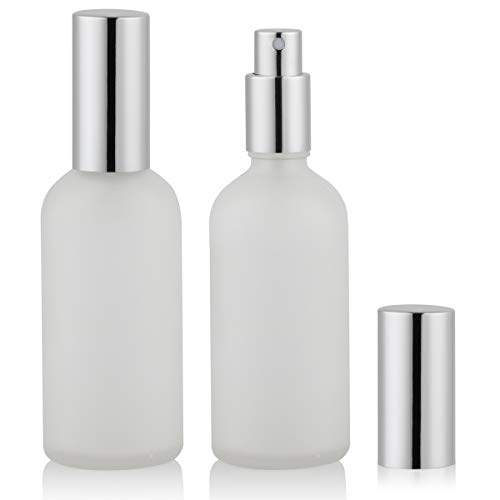
- Best for: Pass counters and prep stations where plates are finished with a mist and counter herbs dry out by midday, and where an even spray beats a poured or wiped one.
- Brand: Hydior, per the listing name
- Type: Frosted glass spray bottle, 2 pack, per the listing name
- Role in the set: The finishing post — a bottle at the pass for the last mist, its pair standing by at the sink
- A spray bottle only — not a counter fitting, an oil cruet or a watering can; the listing’s stated form decides the work it suits
Pass counters and prep stations where plates are finished with a mist and counter herbs dry out by midday, and where an even spray beats a poured or wiped one.
Read the stated spray settings before ordering — a bottle stated for fine misting will not give the jet a baked-on corner wants — and check the stated capacity against the run it has to cover.
The last touch before a plate leaves the pass is a mist: oil over the finished dish, water over the herb pots standing along the new counter where the kitchen’s warmth dries them by midday. The Hydior listing names a frosted glass spray bottle, sold as a 2 pack, and it takes the finishing post — one bottle filled for the pass, the second standing by at the sink. Grade it on the stated form first, glass against the plastic run of the shelf, then on the stated capacity and spray-setting lines read against the length of a service.
ALIEN PROS Golf Grip Wrapping Tapes
- Best for: Counter ends and kit shelves where grips and handles are re-wrapped as they wear, and one tape bought on its stated form covers the job.
- Brand: ALIEN PROS, per the listing name
- Type: Golf grip wrapping tapes, per the listing name
- Role in the set: The grip post — wrapping tape kept at the counter’s end for the handles on the crew’s own kit
- Wrapping tapes only — not a grip, a handle or a counter fitting; the listing’s stated form decides the work they suit
Counter ends and kit shelves where grips and handles are re-wrapped as they wear, and one tape bought on its stated form covers the job.
The listing’s stated use is club grips — read the stated count and material lines before ordering, and keep the tape to wrapping work, the only job its name states.
A fit-out week is when the worn kit finally gets seen to, and the handles whose coverings have been lifting since summer are first in line. The ALIEN PROS listing names golf grip wrapping tapes — tape sold to re-wrap a club grip — and the counter keeps it at the grip post, where the crew’s own handles get wrapped before their coverings split outright. The post is graded on the tape’s stated form alone: a wrapping tape, read on its stated count and material lines, bought for the job its name states and no wider claim.
Regent Works Knife Sharpening Rod
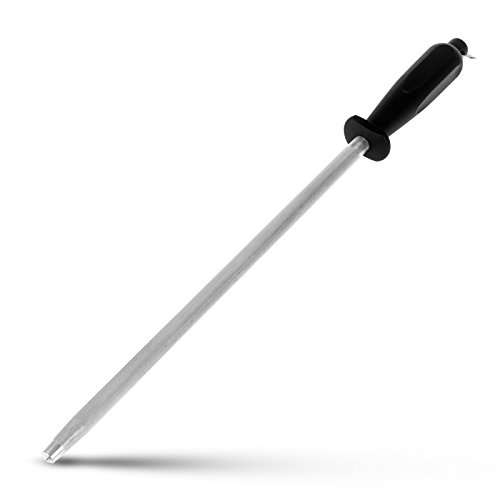
- Best for: Knife rails and prep counters where edges are dressed before each service and one rod, bought on its stated length, covers the longest blade in the set.
- Brand: Regent Works, per the listing name
- Type: Knife sharpening rod, per the listing name
- Stated length: 11.5 inch, per the listing name
- Role in the set: The edge post — the rod drawn before the first prep, kept beside the knife rail
Knife rails and prep counters where edges are dressed before each service and one rod, bought on its stated length, covers the longest blade in the set.
Read the stated length against the longest knife before ordering — a rod shorter than the blade cannot dress it in one pass — and check the stated material line against the steels on the rail.
New counter or not, the knives come back to the rail one by one, and every edge gets its passes before the first board is set on the fresh top. The Regent Works listing names a knife sharpening rod, 11.5 inch, and it holds the edge post within reach of the board, going back in its slot when the round is done. Grade it on the stated length first — the rod has to clear the longest blade drawn across it — then on the stated material and handle lines the listing gives.
LiBa Scalp Massager Shampoo Brush
- Best for: Wash-up shelves where the crew washes up between services and one brush, bought on its stated type, stays where the washing happens.
- Brand: LiBa, per the listing name
- Type: Scalp massager shampoo brush, per the listing name
- Role in the set: The wash post — the crew’s own shampoo brush, kept on the wash-up shelf at the staff sink
- A personal-care brush only — not a cleaning brush, a counter fitting or a treatment; the listing’s stated form decides the work it suits
Wash-up shelves where the crew washes up between services and one brush, bought on its stated type, stays where the washing happens.
Read the stated bristle material and size lines before ordering, and keep the brush with the wash-up gear — its job is hair, not the counter.
At the staff sink the last wash of the fit-out is the crew’s own. LiBa’s listing names a scalp massager shampoo brush: a hand-held brush worked through lathered hair, kept with the wash-up gear where it belongs instead of drifting into the cleaning cupboard with the scrub brushes. The post asks little and should be graded plainly — stated type first, then the stated bristle material and size read against the hand that will hold it — and the brush should be kept to the single job its name states.
Marc Anthony Hair Mask
- Best for: Wash-up shelves where the routine ends with a wash before heading home, restocked on the listing’s stated size.
- Brand: Marc Anthony, per the listing name
- Type: Hair mask, per the listing name
- Role in the set: The getting-ready post — the final step on the wash-up shelf, after the wash is done
- A hair mask only — not a brush, a shampoo or a counter fitting; the listing’s stated form decides the work it suits
Wash-up shelves where the routine ends with a wash before heading home, restocked on the listing’s stated size.
Read the stated size against how often the shelf is used before ordering, and hold the post to the listing’s stated use line — the mask is graded on what its listing states, no more.
The fit-out ends where the first shift on the new counter does: at the wash-up shelf, with the cook off the line and washing up before heading home. The Marc Anthony listing names a hair mask, and the post is graded the way the parcel is — on stated lines only. The listing’s stated size has to suit how often the shelf is restocked, and the stated use line is the whole of the claim: a mask, worked through hair at the wash. Nothing beyond those lines is promised here, and nothing beyond them should be read into the post.
Which One Fits Your Situation
Plates leave the pass all evening
Finish at the pass, where the plates turn. The Hydior bottle stands at the finishing post with its pair in reserve, so the mist that closes a dish is laid evenly instead of poured. Read the stated capacity and spray-setting lines against a full service first — the bottle has to last the run without a refill trip mid-service.
Handles get wrapped while the joiners are in
Keep the wrap where the kit hangs. The ALIEN PROS tapes sit at the grip post in a stated count, ready for the handles whose coverings lift under wet palms, and the post asks no more of them than their name states: a wrapping tape, graded on its stated material line. Check the stated count against how many grips the shelf holds.
The knives come back to the rail
Hand the rail to the rod. The Regent Works rod covers the pass of edges that opens the first prep on the new counter, then goes back in its slot beside the rail instead of wandering the drawer. Start with the stated length line — the 11.5 inch rod has to clear the longest blade drawn across it — and read the stated material line against the steels it will dress.
The first shift ends at the staff sink
End the shift in order: the LiBa brush through the shampoo at the staff sink first, then the Marc Anthony mask for the wash-up step on the way home. The brush earns its place on the stated type alone; the mask is graded on its stated size and use lines, so check both against the shelf before it joins the round.
Common Mistakes
- Reading branco as a species — it sorts the pale end of a copaiba parcel and names no tree at all
- Expecting deep reddish brown and dark streaks from a branco parcel — the pale sort runs pinkish brown to light reddish brown by definition
- Letting the sapwood edge carry the grade — whitish to greyish and fairly distinct, it can corroborate a sort but cannot name a species
- Stretching good durability past the stated uses — the oily resin helps the timber, but the grade travels no further than flooring, furniture, decking, joinery and turned work
- Trusting the name on the invoice — a yard name shared across yards identifies nothing by itself, so stated species and use decide the match
Frequently Asked Questions
Is anything in this round made of copaiba-branco?
No. None of the five listings names the timber, and no pick is built from it. Copaiba-branco stands in this round as the standard of proof: a species name, Copaifera langsdorffii, with a pale grade sorted from its parcels, settling nothing on its own. The parcel was graded on stated species and uses, and every post along the counter is graded the same way.
What is copaiba, exactly?
Copaiba is Copaifera langsdorffii and its relatives, a timber in the Fabaceae family whose heartwood usually runs a deeper reddish brown with darker streaks through it. Branco does not change the species — it narrows the parcel by tone, sorting the pale end, where the heartwood runs pale pinkish brown to light reddish brown. Where a listing states the species, grade on that line.
What is copaiba-branco timber actually used for?
Flooring, furniture, decking, joinery and turned work, per its stated uses. The character behind the list is a medium texture, grain straight to interlocked, a moderately heavy and moderately hard build, and good natural durability helped by the timber’s oily resin — a combination that carries the list from joinery to deck boards, and no further than the stated lines reach.
How do you check a parcel is really copaiba-branco?
Start with the face: heartwood pale pinkish brown to light reddish brown is the sort; the species behind it usually runs redder, darker and streaked. Feel for medium texture and grain straight to interlocked. The sapwood edge, whitish to greyish and fairly distinct, can back the reading but cannot settle it. Then read the listing: the stated species and use settle what the name cannot.
FAQ
Is anything in this round made of copaiba-branco?
What is copaiba, exactly?
What is copaiba-branco timber actually used for?
How do you check a parcel is really copaiba-branco?
More from Amazon
Programs that pair well with the guide above. Offers and eligibility are set by Amazon and may change.
Set up recurring deliveries of everyday items on eligible products. Terms and savings are set by Amazon.
Explore Subscribe & SaveCollect the home and kitchen items you want in one registry that guests can shop from.
Create a wedding registryFree shipping on eligible items, Prime Video and more. Eligible new members can start with a free trial.
Start a Prime free trialAudiobooks and podcasts to listen to on the go. Eligible new members can start with a free trial.
Try Audible freeAs an Amazon Associate we earn from qualifying purchases.