Key takeaways
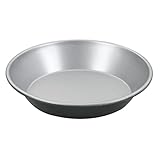
- Budget: $10 to $20. Expect basic aluminum, steel, or nonstick construction, usually in a 9- to 10-inch size. A model such as the Cuisinart Chef’s Classic 9-inch nonstick deep-dish pan is representative of this category at about $14.95. Check coating durability, dishwasher instructions, and rim rigidity.
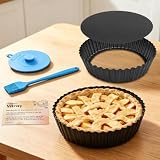
- Midrange: $20 to $35. This tier often includes ceramic or porcelain pans, fluted designs, two-packs, and removable-bottom options. A single MORA ceramic pan is listed around $27.99, while two-pack options may cost about $19.99 to $29.99. Compare capacity carefully because two smaller pans are not always equivalent to one extra-deep pan.
- Premium: $35 and up. You may get thicker walls, refined glazing, better handles, stronger warranties, or a more established bakeware line. Pay for a measurable benefit—capacity, durability, thermal flexibility, or easier release—not just a heavier decorative finish.
What's inside
Choosing a deep-dish pie pan looks simple until a crust collapses, the center stays underbaked, or the finished pie refuses to release. Many shoppers focus only on diameter and appearance, then discover that “9 inches” can mean a shallow pan, a true deep-dish model, or a measurement taken from the outside rim. Others buy a heavy ceramic dish without considering how long it takes to heat, or choose a dark nonstick pan that browns pastry faster than expected.
The best pan depends on what you bake most often, how much storage space you have, and whether you value easy release, even browning, presentation, or versatility. Use the measurements below as practical buying targets rather than assuming the highest price automatically means better results. This guide explains what actually matters when comparing deep-dish pie pans in 2026.
As an Amazon Associate we earn from qualifying purchases at no extra cost to you. Product prices and availability are accurate as of the date shown and are subject to change.


Decide These 3 Things First
- How much filling do you need? A standard 9-inch pie pan often holds about 1 1/2 to 2 quarts, while a deep-dish pan commonly holds 2 1/2 to 3 quarts. If you regularly bake tall fruit pies, pot pies, or quiche, prioritize interior depth over the advertised diameter.
- Do you want easy release or attractive presentation? Nonstick metal is usually the simplest for removing slices. Ceramic and porcelain look better on the table and retain heat well, but they can require more careful greasing and slower cooling.
- Will the pan live in the oven, freezer, or dishwasher? Check the manufacturer’s limits before buying. A pan that moves from freezer to oven is more useful for make-ahead baking, while a dishwasher-safe finish reduces cleanup but may shorten the life of some coatings.
Size and Capacity
Start with the interior, not the rim-to-rim measurement. For most home recipes, a deep-dish pan measuring approximately 9 to 10 inches across the inside and 1 3/4 to 2 1/4 inches deep is a useful range. Some extra-deep pans approach 2 1/2 inches, but they may need more filling and a longer baking time.
A 9-inch pan is the safest choice for recipes written specifically for a standard pie plate. A 9 1/2- or 10-inch pan gives you more room for filling, but using it with a recipe designed for 9 inches may produce a lower pie with a thinner layer of filling. Capacity matters more than diameter: look for a stated volume of roughly 48 to 64 fluid ounces for a generous deep-dish model.
Also check the base diameter. A wide, flat base supports a bottom crust and makes it easier to cut clean slices. A sharply sloped interior may look roomy but provide less usable space. If you bake quiche or pot pie, measure the height of your oven rack and allow at least 1 inch of clearance above the pan and any crust decorations.
Material: Metal, Ceramic, or Glass
Aluminum and aluminized steel heat quickly and are popular for crisp, well-browned crusts. Lighter aluminum pans are often inexpensive, but thin metal can flex when full and may warp if exposed to sudden temperature changes. A dark nonstick finish can brown pastry faster than a shiny metal surface, so recipes may need a modest temperature adjustment or earlier checking.
Carbon steel and heavier steel offer more rigidity and can produce strong browning. They are a good choice for bakers who want a sturdy pan for frequent use. Look for a rolled rim and a coating rated for your intended oven temperature. Metal pans generally should not go into the microwave.
Glass lets you see the underside of the crust, which is helpful when judging doneness. It heats more gradually than thin metal and retains heat after baking. Follow the manufacturer’s rules about preheating, broiling, and temperature shocks; never assume every glass dish is safe directly from the freezer into a hot oven.
Ceramic and porcelain are attractive enough for serving and hold heat for a long time. They are particularly useful for fruit pies and quiche that benefit from a warm serving dish. Their disadvantages are weight, slower temperature response, and the possibility of chips or cracks if dropped or subjected to sudden thermal changes. A ceramic pan weighing about 2 to 4 pounds empty is common; confirm the exact product weight if lifting a full pie is difficult.
Construction and Crust Support
Deep-dish pans need more than a deep cavity. A sturdy rim helps support a fluted or crimped crust and gives you a secure grip when transferring the pan. Look for a rim at least about 1/2 inch wide, with no sharp edges that can catch a towel or oven mitt.
A flat, stable base is essential. Set the empty pan on a level counter and check for rocking. For metal pans, a thickness around 0.6 to 1 millimeter generally feels more substantial than ultra-thin disposable-style bakeware, although manufacturers do not always publish gauge measurements. A reinforced or rolled edge is more useful than a decorative pattern alone.
Fluting can make a homemade pie look finished, but deep grooves may trap crumbs and filling. If you prefer a smooth crust edge or use a pie shield, choose a simpler rim. Removable-bottom pans can be convenient for quiche and tart-style pies, especially when release matters, but they may allow butter or liquid filling to leak. Use a baking sheet underneath until you know how well the seal performs.
Comfort, Release, and Baking Performance
Consider how the pan feels when filled. A 64-ounce filling can weigh 4 pounds or more before you add the pan, so a wide rim and manageable handles matter. A pan with side grips or two pronounced rim areas is easier to move with oven mitts than a smooth, narrow edge.
For nonstick pans, inspect the coating and care instructions. A coating that tolerates at least 400°F is suitable for most pies, though some recipes bake hotter. Avoid metal utensils and abrasive scrubbers unless the instructions specifically allow them. Nonstick does not eliminate the need to grease the pan, particularly for fruit fillings with a sugary syrup.
For ceramic, porcelain, and glass, butter or spray the interior thoroughly and consider a parchment round only when the recipe allows it. These materials can release well, but they do not provide the same low-friction surface as a quality nonstick coating. Look for dishwasher-safe labeling if convenience matters, but hand washing is often gentler on decorative finishes.
Think about heat behavior, too. A very thick ceramic pan can require additional time for the center of a deep quiche to set. A dark metal pan can finish the crust sooner than the filling. Use the recipe’s visual cues—bubbling fruit, a set custard, and a browned bottom—rather than relying only on the stated time.
Price Tiers and What You Get
Deep-dish pie pans generally fall into three useful price bands:
- Budget: $10 to $20. Expect basic aluminum, steel, or nonstick construction, usually in a 9- to 10-inch size. A model such as the Cuisinart Chef’s Classic 9-inch nonstick deep-dish pan is representative of this category at about $14.95. Check coating durability, dishwasher instructions, and rim rigidity.
- Midrange: $20 to $35. This tier often includes ceramic or porcelain pans, fluted designs, two-packs, and removable-bottom options. A single MORA ceramic pan is listed around $27.99, while two-pack options may cost about $19.99 to $29.99. Compare capacity carefully because two smaller pans are not always equivalent to one extra-deep pan.
- Premium: $35 and up. You may get thicker walls, refined glazing, better handles, stronger warranties, or a more established bakeware line. Pay for a measurable benefit—capacity, durability, thermal flexibility, or easier release—not just a heavier decorative finish.
Price is also affected by quantity. A two-pack is worthwhile if you bake multiple pies, freeze one, or want matching pans for a holiday meal. Otherwise, one well-made pan with a reliable warranty may be the better value.
Warranty, Care, and Delivery
Look for a warranty of at least 30 days for basic bakeware and one year or longer for premium products. The coverage should address manufacturing defects such as warping, cracking under normal use, or a defective removable base. Cosmetic chips caused by impact are often excluded, especially with ceramic.
Before ordering, confirm the product’s actual dimensions, capacity, oven-safe temperature, and care instructions. “Dishwasher safe” does not necessarily mean the coating will remain perfect indefinitely. Also check whether the lid, removable base, or accessories shown in product photos are included.
Delivery matters because ceramic and glass can arrive damaged. Inspect the rim and underside immediately, retain the packaging, and photograph cracks or chips before requesting a replacement. A pie pan requires no assembly, but removable-bottom models should be tested empty before the first bake to confirm that the base seats evenly.
Spec Checklist
| Spec | Budget | Mid | Premium |
|---|---|---|---|
| Typical price | $10–$20 | $20–$35 | $35–$60+ |
| Interior diameter | 8 1/2–9 1/2 in. | 9–10 in. | 9–10 1/2 in. |
| Interior depth | 1 1/2–2 in. | 1 3/4–2 1/4 in. | 2–2 1/2 in. |
| Useful capacity | 40–56 fl. oz. | 48–64 fl. oz. | 56–72 fl. oz. |
| Empty weight | Under 2 lb. | About 1 1/2–3 lb. | About 2–4 lb. |
| Best material choices | Aluminum or basic nonstick steel | Coated steel, glass, or ceramic | Thick ceramic, porcelain, or reinforced metal |
| Warranty target | 30 days–1 year | 1 year | 1–5 years |
Red Flags
- The listing gives only an outside diameter and no interior depth or capacity.
- The pan is called “deep dish” but measures less than about 1 1/2 inches deep inside.
- No oven-safe temperature is provided, especially for nonstick, ceramic, or glass.
- The base rocks, the rim feels sharp, or the metal flexes noticeably when lifted.
- A removable bottom has no information about leakage or whether a baking sheet is recommended.
- Reviews repeatedly mention warping, peeling coating, cracks, or inconsistent dimensions.
- The product photo shows accessories that are not clearly listed in the package contents.
FAQ
What size is best for a deep-dish pie pan?
A 9-inch pan with an interior depth of at least 1 3/4 inches is the safest all-purpose choice. Choose a 9 1/2- or 10-inch model if you make tall fruit pies, large quiches, or pot pies and are willing to adjust filling quantities.
Is ceramic better than metal for deep-dish pies?
Neither is universally better. Metal heats faster and usually browns the bottom crust efficiently. Ceramic retains heat, looks attractive for serving, and can cook gently, but it is heavier and more vulnerable to thermal shock. Choose based on your preferred crust and serving style.
Do deep-dish pie pans need a longer baking time?
Often, yes. A deeper filling takes longer to heat through, particularly in thick ceramic or porcelain. Start checking at the recipe’s stated time, then continue until the crust is browned and the filling shows the appropriate doneness cues.
Can I use a removable-bottom tart pan for pie?
You can, but it is best for firm quiche, custard, and tart fillings rather than very liquid mixtures. Place it on a rimmed baking sheet, check that the base fits tightly, and follow the manufacturer’s temperature and care instructions.