Key takeaways
- Reusable: stainless-steel pot, thermometer, curd knife, slotted spoon, ladle, measuring spoons, mold, and draining rack.
- Usually replaceable: rennet, starter cultures, citric acid, calcium chloride, salt, and pH strips.
- Wear items: cheesecloth, muslin, elastic bands, plastic draining bags, and silicone gaskets.
- Worth upgrading first: the thermometer, digital scale, and draining cloth.
The best cheese making kits for most beginners are the New England Cheesemaking Supply 30-Minute Mozzarella & Ricotta Kit for quick fresh cheese, Urban Cheesecraft’s Fresh Cheese Making Kit for a giftable all-in-one setup, and a larger starter kit with a stainless-steel pot and reusable draining equipment for anyone planning to make cheese regularly.
The right choice depends less on the number of recipes on the box than on five practical details: how much milk the kit handles, whether the thermometer is dependable, which cultures and rennet are included, whether the tools can be reused, and how easily you can buy replacement ingredients.

Mozzarella & Ricotta Cheese Making Kit | 5 Piece DIY Kit Includes Cheesecloth, Vegetable Rennet, Citric Acid, Cheese Salt, & Cooking Thermometer | Great Gift Ideas | Italian Cheese Making Supplies
Included for 'Best Cheese Making Kits for Homemade Cheese' because the listing specifies 5 Piece DIY Kit Includes Cheesecloth and Vegetable Rennet, details this guide uses to compare options.
View on Amazon
The Big Cheese Ultimate Cheese Making Kit 40 Batches
Included for 'Best Cheese Making Kits for Homemade Cheese' as a relevant option in this category; details come from the product listing.
View on Amazon
Standing Stone Farms Ultimate Cheese Making Kit — Food Network’s Best Overall Kit & Best Hard & Soft Cheese Kit — Make Mozzarella, Feta, Cheddar, Halloumi, Ricotta, Chèvre & More — Non-GMO, Made in USA
Included for 'Best Cheese Making Kits for Homemade Cheese' because the listing specifies Feta and Cheddar, details this guide uses to compare options.
View on Amazon
Mozzarella and Ricotta Cheese Making Kit
Included for 'Best Cheese Making Kits for Homemade Cheese' as a relevant option in this category; details come from the product listing.
View on AmazonBest cheese making kits by situation
| Situation | Best fit | Useful capacity | Why it makes sense |
|---|---|---|---|
| First attempt, minimal equipment | New England Cheesemaking Supply 30-Minute Mozzarella & Ricotta Kit | About 1 gallon of milk per batch | Simple fresh-cheese recipes, modest cost, and ingredients that can be replaced individually |
| Gift or occasional weekend project | Urban Cheesecraft Fresh Cheese Making Kit | Usually 1–2 gallons per batch, depending on recipe | Clear recipe-led format and a selection of fresh-cheese techniques |
| Making cheese several times a month | Deluxe kit with a 4–8 quart stainless-steel pot, thermometer, molds, and draining cloth | 1–2 gallons per batch | More control, better workflow, and reusable equipment rather than single-use packets alone |
| Interested in aged or cultured cheese | Cheese-making kit from a specialist supplier such as New England Cheesemaking Supply, paired with a separate aging setup | 2–4 gallons per batch is practical at home | More suitable cultures and instructions, but requires extra space, humidity control, and patience |
What the leading kit types actually include
New England Cheesemaking Supply 30-Minute Mozzarella & Ricotta Kit
This is the strongest starting point for someone who wants to turn supermarket milk into a usable result in one afternoon. The core recipes generally use about 1 gallon of milk, producing roughly ¾ to 1 pound of cheese depending on the milk and draining time. Expect ingredients such as citric acid, salt, rennet, cheesecloth, and instructions; exact package contents can change, so check the current specification before ordering.
Its advantage is focus. Mozzarella and ricotta teach heating, acidification, curd cutting, draining, and stretching without requiring an aging refrigerator. The limitation is that the kit is not a complete cookware replacement: a large pot, measuring spoons, a slotted spoon, and a reliable thermometer may still be needed. The supplied cloth is consumable or semi-consumable, while the recipe knowledge and leftover rennet can support later batches.
Urban Cheesecraft Fresh Cheese Making Kit
Urban Cheesecraft’s fresh-cheese kits are aimed at approachable cheeses such as ricotta, chèvre-style cheese, paneer, and other soft varieties, depending on the edition. They are a good choice when presentation and recipe variety matter more than maximum batch size. Fresh cheese is also forgiving: it does not demand a dedicated aging cave, and many recipes can be completed within a few hours.
Check whether the particular package includes a thermometer, mold, or only ingredients and cheesecloth. Some buyers assume “all-in-one” means every piece of kitchen equipment is included, but kits commonly omit the saucepan and thermometer. For repeated use, choose the version with a reusable plastic or stainless-steel mold rather than relying only on disposable draining bags.
Deluxe multi-cheese kits
A larger kit is the better investment for an experienced cook or a household that plans to make cheese at least monthly. Look for a 4–8 quart stainless-steel pot, a 0–220°F or approximately 0–100°C thermometer, a curd knife, ladle, draining cloth, cheese molds, and several cultures or rennet types. These kits may cover mozzarella, ricotta, queso blanco, farmer cheese, paneer, and soft cultured cheeses.
The important distinction is not the recipe count. A kit that promises ten cheeses but supplies one tiny packet of culture may be less useful than a five-recipe kit with clearly labeled, replaceable ingredients. For aged cheese, also budget for a small refrigerator or temperature-controlled box, food-safe mats, a digital scale accurate to at least 1 gram, and a way to monitor humidity.
Thermometer accuracy matters more than most kit extras
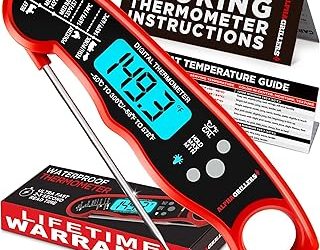
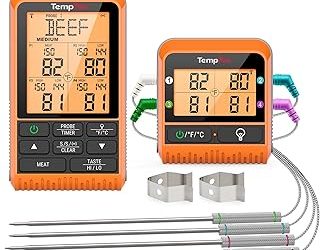
Milk temperature determines when cultures work, when rennet sets, and whether curds are firm enough to drain. A thermometer that reads 5°F too high can cause you to stop heating early; one that reads low can overheat delicate cultures. The supplied dial thermometer is acceptable if it responds quickly and can be calibrated, but a digital probe thermometer is usually easier for beginners to read.
Before the first batch, test the thermometer in an ice-water slurry. At normal room pressure, it should read close to 32°F (0°C). Test it again in boiling water, allowing for your altitude. A difference of several degrees is not automatically fatal, but you should record the offset and compensate consistently. Keep the probe from touching the pot’s bottom, which can give a falsely high reading.
Milk capacity and yield: a useful ownership calculation
For fresh cheese, a 1-gallon batch is a sensible home scale. If milk costs approximately $4–$7 per gallon and an ingredient refill costs about $2–$5, a batch may use $6–$12 in consumables before salt and energy. If it produces 12–16 ounces of fresh cheese, the ingredient cost is roughly $0.38–$1.00 per ounce.
A larger 2-gallon batch does not always halve the cost per ounce because yield depends on milk composition and the cheese style. It does, however, reduce the time spent washing equipment per pound of cheese. This is why a small kit suits occasional makers, while a larger pot and reusable mold become more valuable after several batches.
Reusable tools versus consumables
- Reusable: stainless-steel pot, thermometer, curd knife, slotted spoon, ladle, measuring spoons, mold, and draining rack.
- Usually replaceable: rennet, starter cultures, citric acid, calcium chloride, salt, and pH strips.
- Wear items: cheesecloth, muslin, elastic bands, plastic draining bags, and silicone gaskets.
- Worth upgrading first: the thermometer, digital scale, and draining cloth.
Cheesecloth can be washed and reused if it is a sturdy, tightly woven food-safe cloth. Rinse it immediately, wash it without scented detergent, and boil or sanitize it according to the manufacturer’s instructions. Thin cloth supplied in budget kits may stretch, trap curds, or tear after only a few uses.
Beginner setup: the steps that prevent most failures
- Read the recipe before heating. Measure cultures, rennet, salt, and water first. Rennet is usually diluted in non-chlorinated water shortly before use.
- Clean and sanitize the equipment. Residual grease or detergent can affect cultures and flavor. Use a food-safe sanitizer where appropriate, then follow the kit’s rinsing directions.
- Use suitable milk. Pasteurized, non-ultra-pasteurized milk is generally easier for beginner recipes. Ultra-pasteurized milk may produce weak or poorly formed curds.
- Control temperature gradually. Stir slowly and scrape the bottom without whipping air into the milk. Trust the thermometer rather than the recipe’s estimated heating time.
- Allow the curd to set undisturbed. Opening the lid or stirring too early can break the developing curd and reduce yield.
- Drain according to texture, not only the clock. A soft spreadable cheese and a sliceable farmer cheese need different draining times.
- Cool and refrigerate promptly. Fresh cheese is perishable. Use clean containers, label the date, and follow the recipe or food-safety guidance for storage time.
Common mistakes that make an expensive kit seem faulty
The most frequent problem is using ultra-pasteurized milk. The next is measuring tiny quantities inaccurately: a kitchen teaspoon is not a substitute for a small digital scale when a recipe calls for a precise culture amount. Chlorinated tap water can also interfere with rennet, so filtered or bottled non-chlorinated water is safer for dilution.
Do not judge a mozzarella kit solely by whether the curd stretches perfectly on the first attempt. Stretching depends on acidity as well as heat, and a curd can become rubbery if it is overheated or worked too aggressively. Ricotta, paneer, and queso blanco are usually easier first projects because they do not require the same stretching judgment.
How to choose your kit
Choose the New England Cheesemaking Supply mozzarella and ricotta kit if you want a low-risk first project and already own a pot and thermometer. Choose an Urban Cheesecraft fresh-cheese kit if you value approachable recipes, presentation, and variety for occasional use. Choose a deluxe multi-cheese kit if you will make batches regularly and want reusable molds, a larger vessel, and more control.
Before buying, confirm the exact contents, milk capacity, temperature range, replacement-ingredient availability, and cleaning instructions. A kit with fewer accessories but a dependable thermometer and durable draining equipment will usually outlast a larger-looking package filled with disposable extras.